2000W 2073Wh LiFePO4 Power Station: Camping & Backup
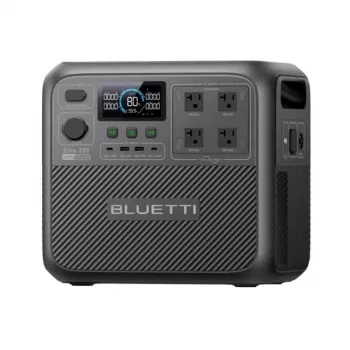
2000W Portable Power Station (2073Wh LiFePO4): Reliable Power for Camping and Emergency Backup
A high-capacity portable power station can keep essentials running when outlets aren’t available—whether that’s charging devices at camp, powering small appliances in an RV, or keeping critical home gear online during an outage. A 2000W / 2073Wh LiFePO4 unit is designed to balance strong inverter output with enough stored energy to cover the “must-haves” for hours (or days), without fuel, fumes, or engine noise.
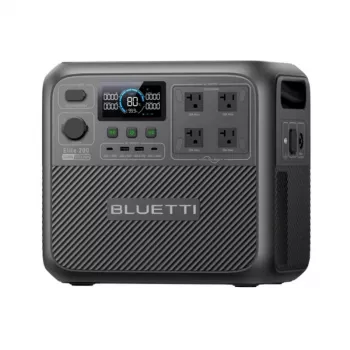
If you’re shopping for a dependable, do-it-all option, start with a purpose-built unit like the 2000W Portable Power Station, 2073Wh LiFePO4 Solar Generator for Camping & Emergencies and plan your runtime around what you actually need to power—not just what you can plug in.
What this power station is built to handle
A 2000W output class power station is built for running multiple everyday devices at once and handling many common appliances that would overwhelm smaller units. Instead of using gasoline, it relies on a large battery and inverter, making it a practical fit for quiet campsites and indoor use during outages (with proper ventilation and cord management).
The 2073Wh battery capacity is aimed at longer runtimes for essentials—communications, lighting, refrigeration cycling, and certain medical devices—rather than short bursts of high-heat cooking or whole-home loads. LiFePO4 (lithium iron phosphate) chemistry is often chosen for its stability and long service life compared with many older lithium chemistries.
These units tend to shine in three scenarios:
- Off-grid camping: charging phones/cameras, running lights, powering a cooler, and topping off devices daily.
- RV and overlanding: supporting small appliances, electronics, and “house power” needs when you’re not on hookups.
- Emergency home backup: keeping key devices running during power outages without running a fuel generator.
Key specs that matter in real use
To match a power station to your gear, focus on a few numbers that translate directly to real-world performance:
- Watts (W) rating: the maximum power the inverter can supply at one time; this is what determines whether higher-draw appliances (like kettles, microwaves, or power tools) are feasible.
- Watt-hours (Wh): how much energy is stored; this primarily determines how long devices can run.
- Surge headroom: some appliances draw extra power when starting (notably compressor fridges and some tools). Planning for surge prevents nuisance shutoffs.
- Port selection: AC outlets for household plugs, plus DC/USB for phones, tablets, routers, and other low-voltage devices.
- Charging options: wall charging for the fastest turnaround, vehicle charging for travel, and solar input for off-grid replenishment.
| Term | What it means | Why it matters |
|---|---|---|
| Watts (W) | Instant power draw | Determines what can run at the same time |
| Watt-hours (Wh) | Stored energy | Determines runtime |
| Surge / startup load | Short burst above running watts | Affects fridges, pumps, and some tools |
| Inverter type | Converts battery DC to AC | Impacts compatibility with sensitive electronics |
Runtime planning: what 2073Wh can realistically power
Runtime depends on how many watts you’re drawing and for how long. A practical estimate is:
Runtime (hours) ≈ Battery Wh × 0.85 ÷ Device W
The 0.85 factor accounts for typical conversion losses (inverter efficiency and overhead). Real results vary with temperature, battery state, and load behavior (especially for devices that cycle on and off).
For outages, prioritize essentials: phone charging, Wi‑Fi router/modem, LED lighting, a CPAP (without a heated humidifier), small fans, and refrigerated meds. For camping, it helps to think in a daily energy budget: lights + phones + camera batteries + a cooler, then refill using solar or a drive-day vehicle charge.
Avoid stacking high-draw heating appliances (space heaters, hot plates, hair dryers) unless the output limit and your energy budget clearly support it. Even when the inverter can handle the watts, heat loads can drain the battery much faster than expected.
Example runtimes (estimates) from a 2073Wh battery
| Device | Typical draw (W) | Estimated runtime |
|---|---|---|
| Phone charging (USB) | 10W | ≈ 176 hours (many full charges) |
| Wi‑Fi router/modem | 20W | ≈ 88 hours |
| LED lighting string | 30W | ≈ 59 hours |
| CPAP (no heated humidifier) | 40W | ≈ 44 hours |
| 12V cooler / small fridge (average) | 60W | ≈ 29 hours |
| Laptop | 65W | ≈ 27 hours |
| Box fan | 75W | ≈ 23 hours |
| TV | 120W | ≈ 15 hours |
| Mini fridge (average) | 150W | ≈ 12 hours |
Solar charging for off-grid trips
Solar works best when it’s treated as a “daily refill” system. Instead of trying to go from empty to full every day, size your panels to replace typical daily usage and leave some buffer for cloudy stretches.
Emergency home backup: practical setups that work
It also helps to keep basic repair tools accessible during outages. A sturdy option like the 18″ Aluminum Pipe Wrench can be useful for shutting off a stubborn valve or handling quick fixes—without hunting through the garage in the dark.
For broader outage readiness guidance, review Ready.gov’s power outage recommendations and general battery basics from the U.S. Department of Energy.
Safety, longevity, and storage tips for LiFePO4 power stations
When a 2000W / 2073Wh class unit is the right size
FAQ
Can a 2000W portable power station run a refrigerator?
Yes for many refrigerators, but confirm the fridge’s running watts and startup surge (often listed on the label or in the manual). If the surge is within the inverter’s capability, it should run, and runtime will depend on how often the compressor cycles.
How long does a 2073Wh power station last during an outage?
It depends on your total watt draw over time. Use the estimate Wh × 0.85 ÷ W, and stretch runtime by prioritizing essentials and rotating higher-load devices instead of running everything continuously.
Is LiFePO4 safer than other lithium batteries for portable power stations?
LiFePO4 is widely regarded as a more thermally stable lithium chemistry with a long cycle life. Safe operation still depends on proper ventilation, correct charging practices, and avoiding extreme temperatures.








Leave a comment