Push Manual Sweeper: 5-Gallon Bin for Yard Walkways
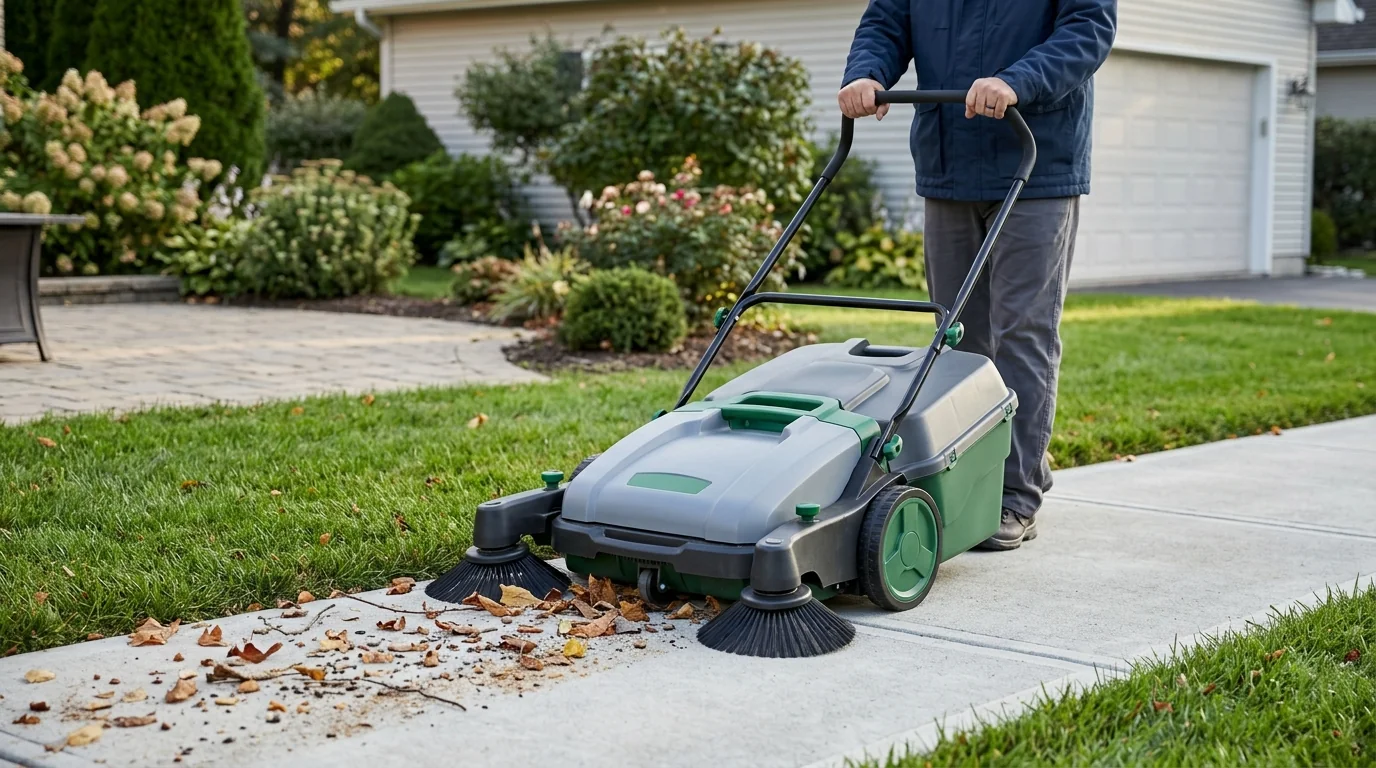
Keeping walkways, patios, drive edges, and garden paths tidy is easier when debris can be gathered and contained in one pass. A walk-behind manual sweeper combines push-powered brushing with a large waste container so leaves, grit, and small litter can be picked up without cords, fuel, or loud motors—ideal for quick, frequent cleanups around the yard and exterior walkways.
What This Walk-Behind Sweeper Helps With
- Routine clearing of dry leaves, dust, sand, small stones, and light litter from yard walkways and paved paths
- Tidying patio areas, porches, decks (where appropriate), and garage floors without dragging out a powered machine
- Reducing “tracked-in” grit by cleaning entrances and high-traffic outdoor transitions
- Faster pickup than a broom for large, flat areas when debris is dry and not compacted
How a Push Sweeper Works (and Why the 5-Gallon Container Matters)
- Push motion drives the sweeping mechanism, spinning brushes that funnel debris toward the collection path
- A larger container reduces emptying frequency, which matters during leaf drop seasons or after storms
- Contained pickup keeps debris from being redistributed by wind compared with open sweeping piles
- Manual operation avoids extension cords, fuel storage, and motor maintenance
For many homes, the biggest day-to-day advantage is workflow: push, collect, dump. A 5-gallon container can mean finishing a long sidewalk run or a full patio perimeter before stopping, instead of interrupting the job every few minutes with a dustpan or small bin.
Quick Specs and Fit Check
- Best on: smoother outdoor surfaces such as concrete, pavers, asphalt, and sealed patio surfaces
- Works best when: debris is mostly dry and loose rather than wet, stuck-on, or muddy
- Waste capacity: 5-gallon container for longer cleanup runs between dumps
- Typical uses: sidewalks, garden paths, drive edges, patios, and garage floors
At-a-Glance: Manual Sweeper vs Common Alternatives for Outdoor Walkways
| Option | Strengths | Limitations | Best For |
|---|---|---|---|
| Walk-behind manual sweeper (5-gallon container) | Fast pickup, low noise, no cords/fuel, debris contained | Less effective on wet/stuck debris; surface should be fairly smooth | Frequent quick cleanups of dry leaves and grit on walkways/patios |
| Push broom | Low cost, works on many surfaces, good for heavier clumps | Slower over large areas; forms piles that must be scooped | Spot cleaning, wet debris, corners, and uneven surfaces |
| Leaf blower | Very fast for open areas; moves debris out of the way quickly | Doesn’t collect; can spread dust; noise and power requirements | Clearing large open spaces when collection isn’t required |
| Electric/gas powered sweeper | Higher agitation and pickup capability; handles larger jobs | Higher cost, maintenance, noise; fuel/cord constraints | Heavy-duty or commercial-sized areas and frequent large debris loads |
What to Look for Before Buying
- Surface type: pavers and smooth concrete are ideal; very rough or deeply grooved surfaces can reduce pickup
- Debris type: excels at dry leaves, dust, and grit; consider how often cleanup occurs after rain or irrigation
- Container access: a removable, easy-dump container speeds up workflow and reduces spills
- Handle comfort and maneuverability: important for longer paths and turning around landscaping features
- Storage footprint: check where it will be stored (garage wall space, shed, or utility area)
If dust is a frequent issue around entryways, it can also help to pair sweeping with simple exposure-reduction habits. The EPA overview of particulate matter (PM) explains why fine particles matter, and why keeping them out of indoor thresholds can be worthwhile.
Using It Effectively on Yard Walkways
- Sweep when debris is dry for best pickup and less brush clogging
- Use overlapping passes to avoid leaving a thin line of grit along the edge of the sweep path
- Start at the far end of the walkway and work back toward the disposal point to reduce backtracking
- For edges and corners, make short, controlled passes and finish with a small hand brush if needed
- Avoid large sticks or sharp objects that can jam brushes or damage the collection mechanism
For longer paths, a steady pace tends to collect better than short, choppy pushes. If you’re doing frequent cleanups, keeping your posture comfortable can reduce fatigue over time; the NIOSH ergonomics guidance is a useful reference for minimizing strain during repetitive tasks.
Care, Storage, and Longevity
A basic tool for occasional tightening can be handy for outdoor gear. For general maintenance tasks in a garage or shed, consider keeping an 18″ Aluminum Pipe Wrench on hand for stubborn fittings and hardware (always use the right tool for the specific fastener type).
Safety and Cleanup Best Practices
Product Option: Walk-Behind Manual Floor Sweeper with 5-Gallon Waste Container
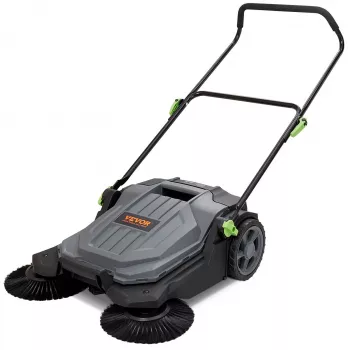
If the goal is quick, repeatable cleanup on sidewalks, patios, and garage entry areas, a manual sweeper is a practical middle ground between a broom and powered equipment. The Walk-Behind Manual Floor Sweeper with 5-Gallon Waste Container for Yard & Walkway is designed for yard and walkway cleanup with a larger bin to reduce emptying stops. It’s a quiet, push-powered option with no cords, fuel, or charging routines, and it’s listed at $156.01 (in stock).
FAQ
Can a manual walk-behind sweeper pick up leaves from a yard walkway?
Yes—dry leaves and light debris on paved or smooth surfaces are a strong use case. Performance drops with wet leaves or heavy, stuck-on debris; sweeping after the surface dries improves results.
Is a 5-gallon waste container big enough for regular outdoor cleanup?
For most walkways and patios it reduces how often dumping is needed, especially during light-to-moderate leaf fall. For very large properties, expect periodic emptying but far less frequent than small dust pans or handheld collectors.
Will it work on uneven pavers or gravel paths?
It works best on relatively even, hard surfaces. Deep gaps, rough stone, or loose gravel can reduce contact and pickup; a broom or rake may be better for those areas.







Leave a comment