3686Wh Portable Solar Power: IP65 Backup for Anywhere
Portable Solar Power for Real Life: Outages, Camping, and Job Sites
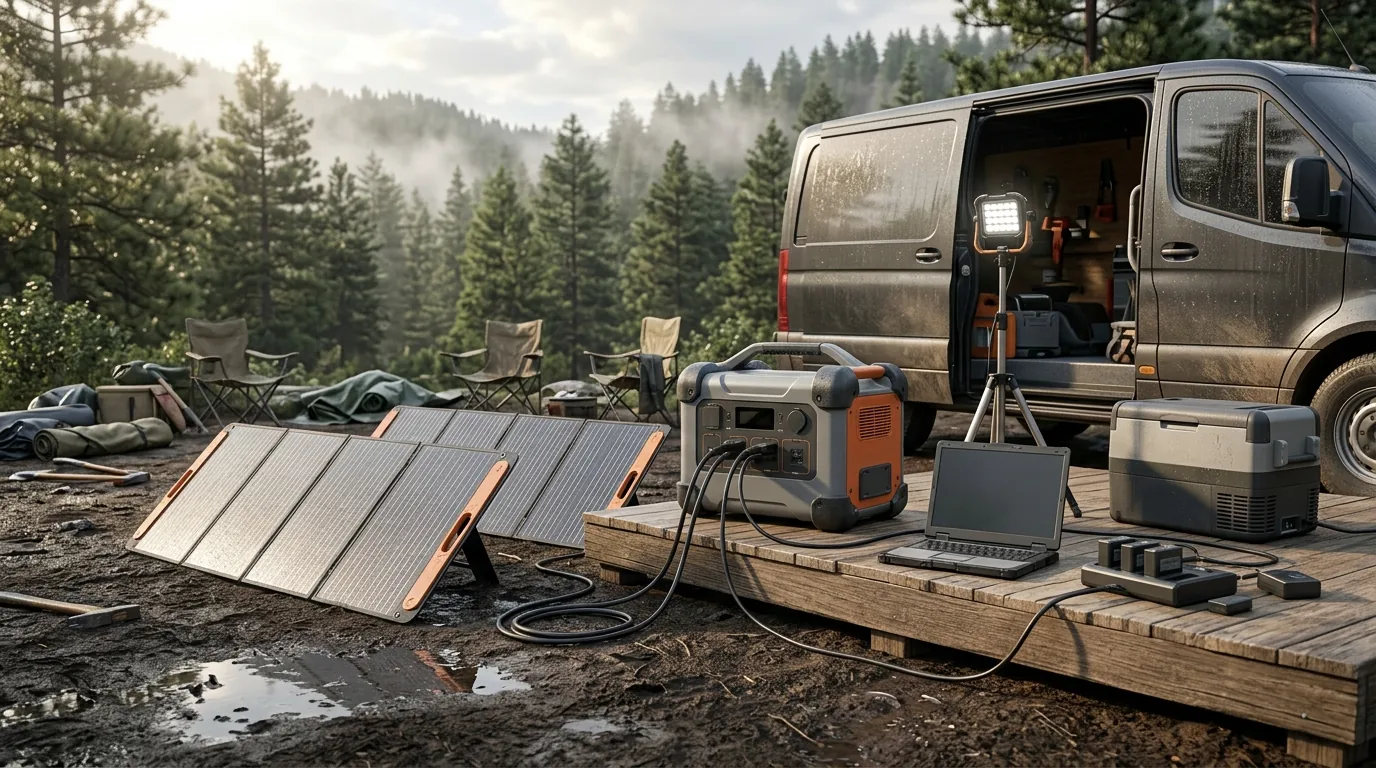
A high-capacity portable solar power station can keep essential devices running when the grid is down, when working off-site, or when traveling outdoors. With 3686Wh of stored energy and an IP65-rated enclosure, this kind of unit is built for the moments when power matters—and conditions aren’t always clean, dry, or predictable. It’s a practical option for emergency backup, RV/camping power, and mobile work where dust and splashes are common.
What a 3686Wh power station is best for
A 3686Wh class power station sits in the “serious backup” category: big enough to cover necessities for long stretches, while still being portable compared with installed home batteries. It’s especially useful for:
- Home backup for critical loads: keeping a refrigerator cycling, powering a router/modem, running LED lights, charging phones, and supporting certain medical devices (always verify wattage and surge requirements).
- Outdoor trips: base-camp power for a CPAP, camera/drone charging, portable coolers, and small appliances within the inverter’s limits.
- Mobile work: powering laptops/monitors in the field, charging tool batteries, and running moderate-draw equipment on remote sites.
- Quiet operation: no gasoline handling, no exhaust, and generally far less noise than a fuel generator.
- More resilience in messy conditions: water resistance helps when weather turns, sites are dusty, or the ground is damp (still avoid submersion).
Estimated runtimes from a 3686Wh battery (real-world results vary)
| Device | Typical draw (W) | Estimated runtime (hours) | Notes |
|---|---|---|---|
| Wi‑Fi router | 10 | 200–300 | Includes conversion losses; ideal for keeping communications online |
| LED lamp | 10 | 200–300 | Multiple lamps reduce runtime proportionally |
| Laptop | 60 | 40–55 | Depends on charging profile and screen brightness |
| 12V cooler (average) | 50 | 45–60 | Compressor cycling changes average draw |
| Refrigerator (average) | 120 | 18–25 | Startup surge must be supported by inverter |
| Microwave | 1000 | 3–3.5 | High draw; short bursts are typical use |
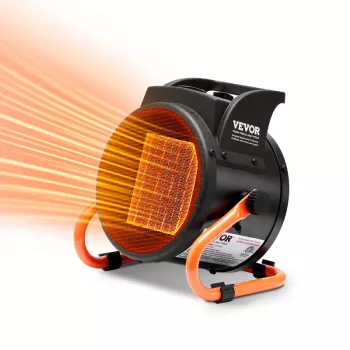
| Space heater | 1500 | 2–2.5 | Very demanding; prioritize insulation and lower settings |
Understanding capacity: Wh, usable energy, and what changes the numbers
The 3686Wh label is the stored energy in watt-hours. In simple terms, higher Wh usually means more runtime—but the number you can actually use will be lower than the nameplate capacity.
- Conversion losses: running AC loads requires DC-to-AC inversion; add additional losses for adapters and “brick” chargers. Planning with a buffer is smart.
- Temperature effects: cold weather can reduce available energy and peak performance, especially for high loads.
- Continuous vs. surge: some devices briefly spike above their running wattage (fridges, pumps, certain tools). Your power station must support that surge or the load may fail to start.
- Quick planning method: (Wh × efficiency factor) ÷ device watts = approximate hours. For conservative emergency planning, an efficiency factor around 0.8 is a common starting point, then adjust based on real use.
IP65 water resistance: what it protects against (and what it doesn’t)
An IP65 rating generally means strong dust protection and resistance to water jets from multiple directions. This is valuable when you’re operating outdoors, moving between sites, or dealing with sudden weather changes. For an overview of what IP codes represent, see the IEC’s IP rating guidance at IEC (IP Code overview).
- Good for: rain exposure, splashes, and dusty conditions when covers are closed and seals are intact.
- Not designed for: submersion, prolonged pooling water, or close-range pressure washing.
- Best practice: close port covers before use outdoors, keep the unit elevated off wet ground, and don’t place it where water can collect underneath.
- After wet exposure: dry the exterior and inspect ports and cables before charging or connecting high-power loads.
Charging paths: wall, vehicle, and solar
- Wall charging: typically the fastest and most predictable—ideal for topping up ahead of storms or trips. For outage readiness tips, reference Ready.gov’s power outage guidance.
- Vehicle charging: convenient during travel but often slower; avoid draining the starter battery, especially when parked.
- Solar charging: extends your time off-grid. Real input depends on panel wattage, sun angle, season, temperature, and shading. For solar potential in your area, NREL resources can help: NREL Solar Resource Tools.
- Practical routine: recharge after each use, keep connectors clean and dry, and periodically confirm everything works with a short test load.
Outputs and load planning for everyday gear
Safety, storage, and long-term care
Recommended gear in stock
- Portable Solar Power Station 3686Wh, IP65 Water Resistant Generator — high-capacity stored energy with water-resistant protection for rougher environments.
- 18″ Aluminum Pipe Wrench — a durable, lightweight tool that makes sense in the same “storm kit” as backup power.
- Compact 400W Mini Juicer with 16oz Cup – Easy & Efficient Fruit Juice Extractor — a small appliance example for powered camps or kitchens (run briefly to conserve energy).
When a large, water-resistant power station makes sense
FAQ
How long will a 3686Wh power station run a refrigerator?
Many refrigerators average roughly 18–25 hours on a 3686Wh class power station, depending on compressor cycling, room temperature, and how often the door is opened. The unit also needs enough surge capability to handle the fridge’s startup spike. Actual results vary by refrigerator model and settings.
Does IP65 mean it can be used in heavy rain?
IP65 generally indicates strong dust protection and resistance to water jets and splashes, but it does not mean submersible or safe for standing water. Keep port covers closed, set the unit on a raised surface, and dry it off before charging or running higher-power loads.
How much solar panel wattage is needed to recharge a battery this size?
A simple estimate is: recharge time (hours) ≈ 3686Wh ÷ effective solar watts, where “effective” accounts for real-world losses and sunlight conditions. As a rule of thumb, an 800–1600W solar array can be a practical range depending on whether you want a faster same-day refill or a slower multi-day recharge, and on how many peak sun-hours you get.







Leave a comment