Under-Pillow Bluetooth Sleep Speaker: White Noise Guide
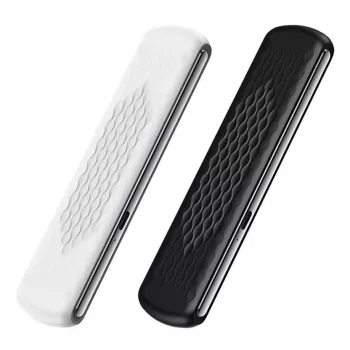
Under-Pillow Bluetooth Sleep Speaker with White Noise for a Quieter Night
A small under-pillow speaker can make bedtime audio feel more private and less disruptive—especially in shared spaces. Instead of filling the whole room with sound, it brings the audio source closer to where you’re actually listening. That often means lower volume, fewer distractions for someone else in the room, and a simpler way to build a consistent wind-down routine when your environment isn’t always quiet.
Below is what to expect from an under-pillow Bluetooth sleep speaker with white noise, how it fits into nightly habits, and what to check before buying.
What an under-pillow sleep speaker does differently
An under-pillow sleep speaker is meant to sit beneath or alongside your pillow so audio feels “near-ear” without wearing anything. That placement changes the whole experience compared with a bedside speaker.
- Positions the sound source close to the ear so volume can stay lower than a bedside speaker.
- Helps keep audio more contained, which may reduce disturbance for a partner or roommate.
- Designed for bedtime listening such as white noise, nature sounds, meditation tracks, and audiobooks.
- Works well in small bedrooms, dorms, and hotel rooms where ambient noise is unpredictable.
Because the speaker is closer, the goal is clarity at low volume—not “big sound.” If you like falling asleep to an audiobook, a slow podcast, or steady ambient tracks, under-pillow placement can make it easier to hear comfortably without turning the room into a mini theater.
Bluetooth + white noise: practical benefits
Bluetooth support is what makes this kind of speaker feel effortless. Rather than loading files or relying on a single built-in track, you can use whatever already helps you unwind.
- Bluetooth streaming enables quick pairing with a phone or tablet for playlists, apps, and bedtime routines.
- White noise can help mask intermittent sounds (traffic, neighbors, hallway noise) that often trigger awakenings.
- Useful for wind-down routines: consistent sound cues can become part of a nightly habit.
- A low-profile speaker under the pillow can feel less intrusive than wearing earbuds to bed.
White noise isn’t “magic,” but it can be effective at smoothing out sudden changes in sound—like a door closing, elevator dings, or a roommate moving around. For a deeper overview of how white noise is thought to work and when it helps, see this explanation from Sleep Foundation.
Comfort and safety considerations under a pillow
Comfort matters more than features here. A sleep speaker that’s slightly too thick, too rigid, or awkwardly placed can become the thing that keeps you awake.
- Choose a slim, soft-profile unit that won’t create pressure points for side sleepers.
- Keep volume moderate to protect hearing; if speech or noise must be loud to be heard, reposition or adjust content.
- Avoid placing the device where it bends sharply or sits directly under the heaviest part of the head all night.
- If sharing a bed, test placement on the side of the user to keep sound localized.
- Follow charging and battery guidance from the manufacturer; avoid sleeping on exposed cables.
When it comes to hearing protection, the simplest rule is: if you can’t keep it at a comfortable, low level, change the setup. The National Institute on Deafness and Other Communication Disorders (NIDCD) provides helpful background on noise exposure and long-term hearing risks.
Everyday use: a simple bedtime routine
Under-pillow speakers tend to work best when you treat them as part of a routine rather than a “fix” for a bad night. The more consistent the setup, the less you’ll be tempted to grab your phone and start scrolling.
It also helps to keep the rest of your sleep habits steady—bedtime consistency, a dim room, and a short wind-down. For a straightforward checklist of healthy habits, the American Academy of Sleep Medicine offers practical guidance.
Quick snapshot: what to look for
| Feature | Why it matters at night | What to aim for |
|---|---|---|
| Profile/thickness | Reduces pressure points and pillow discomfort | Slim, soft edges, flexible placement |
| Sound containment | Minimizes disturbance to others | Clear audio at low volume, close placement |
| Noise options | Supports masking and relaxation | White noise + ambient choices or easy streaming |
| Controls/timer | Prevents screen-time and late-night fiddling | Simple buttons and/or sleep timer support |
| Power/charging | Avoids mid-night cutouts | Overnight battery + safe charging habits |
Who it suits best
Under Pillow Bluetooth Sleep Speaker with White Noise: product overview
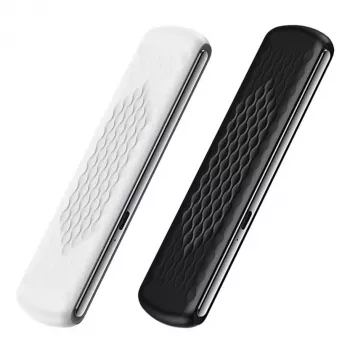
If you’re looking for a budget-friendly way to add private bedtime audio, Under Pillow Bluetooth Sleep Speaker with White Noise is a compact option designed for wind-down listening with Bluetooth streaming and white-noise-style masking. It’s listed as in stock at $20.97 (USD).
For a simple “night-to-morning” setup, some people like pairing a quieter bedtime routine with an easy morning habit. If that’s your style, the Compact 400W Mini Juicer with 16oz Cup is another in-stock option that can streamline a quick breakfast without much cleanup.
FAQ
Is it safe to sleep with a speaker under the pillow?
Generally, it’s safe when used as intended: keep volume moderate, avoid sleeping on charging cables, position it to prevent pressure points, and follow the manufacturer’s charging and battery guidance.
Will the sound bother someone sleeping next to me?
Under-pillow placement usually keeps audio more localized than a bedside speaker. Lower volume, placing it on the user’s side, and choosing steady sounds (like white noise) can reduce disturbance.
Does white noise help with sleep?
White noise can help mask sudden environmental sounds that trigger awakenings for some people. Results vary by person, and it tends to be most helpful in noisy environments or for light sleepers.









Leave a comment