18-Inch Aluminum Pipe Wrench: Light, Strong Grip
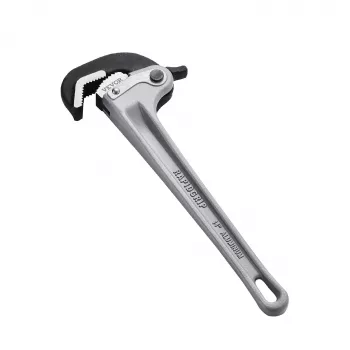
18″ Aluminum Pipe Wrench: Lightweight Grip for Tough Pipe Jobs
An aluminum pipe wrench is built to deliver a strong bite on round pipe while keeping carry weight down. For anyone doing repeated adjustments in tight mechanical rooms or overhead runs, shaving weight without giving up holding power can make a noticeable difference by the end of the day. Below is a practical guide to what sets aluminum-bodied pipe wrenches apart, why an 18″ size is a go-to choice, what to check before buying, and how to use and maintain one for consistent, slip-resistant turns.
What Makes an Aluminum Pipe Wrench Different
The main advantage of an aluminum pipe wrench is simple: less weight in the handle and frame. Aluminum alloy construction can reduce fatigue during repeated pulls, ladder work, or long carries across a jobsite. That lighter body doesn’t change what the tool is meant to do—pipe wrenches are still designed to grip and turn threaded steel pipe, fittings, nipples, and other round workpieces.
What actually creates the “hold” is the jaw system: hardened teeth plus a self-energizing jaw geometry that tightens its bite as you pull. In other words, the wrench’s gripping power comes from the jaw design and tooth hardness more than the handle material. Common use cases include plumbing rough-in, mechanical-room service, sprinkler installs, facility maintenance, and repairs where a secure bite is more important than preserving a pristine surface finish.
Where an 18″ Size Fits Best
An 18″ pipe wrench sits in a sweet spot: it’s long enough to provide meaningful leverage for many stubborn joints, but not so bulky that it becomes hard to swing in a crowded chase or near a wall. Compared with very compact models, it gives more control when a fitting needs a firm pull; compared with 24″–36″ tools, it’s easier to maneuver and less likely to encourage over-torquing.
It also pairs well with a second wrench for “hold-back.” One wrench stabilizes the fitting while the other turns the pipe, helping reduce stress on the line and lowering the risk of twisting an adjacent joint loose.
| Wrench size | Best for | Tradeoffs |
|---|---|---|
| 10″–12″ | Tight spaces, small fittings, light-duty service work | Limited leverage on seized joints |
| 14″–18″ | General plumbing, maintenance, most everyday turning tasks | May be undersized for very large or heavily corroded joints |
| 24″–36″ | Large-diameter pipe, stubborn fittings, outdoor/industrial work | Heavier, harder to maneuver; greater risk of over-torquing |
Key Features to Check Before Buying
Jaw teeth hardness and shape
Sharp, properly hardened teeth are what keep a pipe wrench from skating under load. If the teeth wear prematurely, slipping becomes more likely and the tool can round the workpiece faster. If replacement jaws are available, it’s easier to keep the wrench performing like new.
Adjustment mechanism and fit
A smooth, tight-fitting knurl and adjustment nut matter more than they look. Excess play can cause jaw chatter when you load the wrench, which reduces bite and makes control feel unpredictable—especially on painted, rusty, or slightly undersized pipe.
Jaw capacity
Not every 18″ wrench clamps the same maximum diameter. Before buying, confirm the jaw capacity matches the pipe sizes you see most often. For occasional larger work, it’s usually better to step up in wrench size than to run an undersized wrench at the edge of its adjustment range.
Handle ergonomics
Textured grips and I-beam style handles help maintain control with gloves or wet hands. Comfort also matters for safety: a controlled pull reduces sudden slips that can skin knuckles or damage nearby components.
Replaceable parts and long-term serviceability
Availability of replacement jaws, pins, springs, and knurl components can extend tool life and reduce long-term cost. If the wrench is for daily use, serviceable parts are a practical upgrade over “use it until it’s done” construction.
How to Use a Pipe Wrench Without Slipping or Damaging the Work
Pipe wrenches are designed to bite, and they will mark most metal surfaces. The goal is to control that bite so the wrench holds securely without unnecessary damage or dangerous slip-outs.
For jobsite safety basics—tool condition, proper use, and general handling practices—review OSHA’s guidance on hand and power tools. For reducing strain during repetitive work, NIOSH offers practical ergonomics resources on musculoskeletal risk and tool use.
Care and Maintenance for Long Service Life
Product Spotlight: 18″ Aluminum Pipe Wrench
| Item | Details |
|---|---|
| Product | 18″ Aluminum Pipe Wrench |
| Price | $37.67 |
| Availability | In stock |
More In-Stock Picks
- 2 Gallon Beverage Dispenser with Stainless Steel Spigot for Parties & Events
- Compact 400W Mini Juicer with 16oz Cup – Easy & Efficient Fruit Juice Extractor
FAQ
Is an aluminum pipe wrench strong enough for daily plumbing work?
Yes—holding power comes primarily from the hardened jaws and the self-tightening jaw design, not the handle material alone. Use the correct wrench size for the pipe and avoid excessive cheater-bar leverage that can damage the tool or the line.
What size pipe wrench should be used for most home repairs?
A 14″–18″ pipe wrench is a practical all-around range for many home plumbing tasks. Smaller sizes help in tight spaces, while larger wrenches are better for big diameters or heavily seized fittings.
How can slipping be prevented when using a pipe wrench?
Orient the wrench so your pull tightens the bite, keep the wrench aligned to avoid side-loading, and make sure the teeth are clean and sharp. Applying steady pressure and using a second wrench for hold-back also reduces slipping and unwanted movement.








Leave a comment