2.1 Qt Mini Air Fryer + 100 Liners: Easy Cleanup Guide
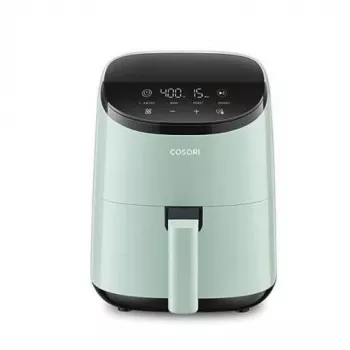
Mini 2.1 Qt Air Fryer with 100 Disposable Liners: Compact Cooking With Easy Cleanup
A small-capacity air fryer can be a smart match for quick meals, small kitchens, dorms, and single-serve portions. Pairing a 2.1-quart basket with disposable liners helps reduce stuck-on residue, speeds up cleanup, and keeps the basket finish looking newer for longer—when used correctly with proper airflow and safe temperatures.
What a 2.1 Qt mini air fryer is best for
A 2.1-quart air fryer is designed for small batches, not big cooking marathons. If most meals are for one (or a light two-person snack), the compact size can be faster to heat and easier to store than a larger countertop unit.
- Ideal portion sizes: snacks, sides, 1–2 servings, and quick reheats without turning on a full oven.
- Great spaces: dorm rooms, RVs, small apartments, office kitchens, and anywhere counter space is limited.
- Foods that tend to work well: frozen fries, nuggets, wings (small batch), roasted vegetables, salmon portions, and toasted sandwiches.
- What not to expect: large family batches, full-size pizzas, or meal prep for multiple days in one cycle.
When sizing feels “tight,” the fix is usually cooking in two quick rounds rather than overfilling. In a mini basket, overcrowding is the fastest way to trade crisp edges for a steamed, soft texture.
Disposable liners: benefits and the right way to use them
Disposable liners can be a real time-saver, especially with sticky sauces, sugary marinades, and crumbly breading. The key is using them without blocking airflow or letting the liner drift toward the heating element.
- Cleanup advantage: liners catch drips and crumbs, reducing scrubbing and soaking time.
- Basket protection: fewer baked-on oils can help minimize wear on nonstick surfaces over time.
- Airflow matters: choose a liner style that fits the basket without blocking venting; keep food distributed so hot air can circulate.
- Prevent liner lift: preheat with the basket empty, then place the liner and immediately add food so it stays weighed down.
- Temperature and timing: follow the liner’s packaging guidance; avoid exceeding rated temperatures and avoid direct contact with exposed heating elements.
- When not to use a liner: very light foods that can blow around (like leafy greens) unless weighed down, or recipes needing maximum crisping on the bottom.
If bottom crispiness is the priority, consider skipping the liner for that recipe, or use it only for the messiest foods (think saucy wings or melty cheese items). For everything else, liners are a practical “cook-and-toss” convenience that keeps weeknight cleanup short.
Everyday cooking ideas that match a mini basket
A mini air fryer shines with “single-plate” meals and snack-style cooking. The sweet spot is food that fits in a relatively even layer and benefits from fast, dry heat.
Fast breakfasts
Simple lunches
Snack rotation
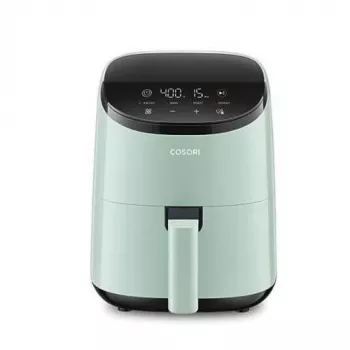
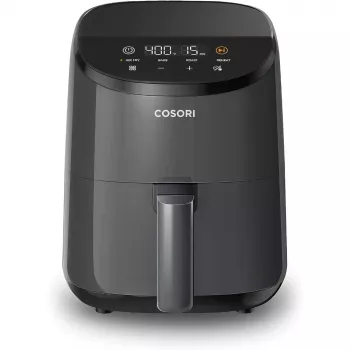
Mini Air Fryer 2.1 Qt with 100 Disposable Liners: what stands out
For compact cooking with minimal mess, the Mini Air Fryer 2.1 Qt with 100 Disposable Liners is built around the routines that mini baskets handle best: quick snacks, small sides, and crisp reheats. The included liners are especially helpful for saucy or cheesy foods where cleanup can otherwise take longer than cooking.
Quick size and liner guide for deciding if a 2.1 Qt setup fits your routine
| Air fryer size | Best for | Typical batch examples | Liner usage note |
|---|---|---|---|
| 2.1 Qt (mini) | 1–2 servings, small kitchens | Small fries, 6–10 nuggets, 1 fish portion | Great for fast cleanup; keep liner weighed down |
| 3–4 Qt (mid) | 2–3 servings | Wings for two, larger veggie batches | Liners help with saucy foods; ensure airflow |
| 5–6 Qt (family) | 3–5 servings | Family fries, bigger proteins | Liners reduce mess but don’t replace shaking/turning |
Safety, smoke, and cleanup basics
- Food safety: cook proteins to safe internal temperatures and use a thermometer when unsure. The USDA’s safe temperature chart is a reliable reference: USDA FSIS — Safe Minimum Internal Temperature Chart.
- Reduce smoke: avoid excess oil pooling; clean the basket/tray regularly; fatty foods can drip and smoke more. For broader food safety tips, see U.S. FDA — Food Safety for Consumers.
- Avoid overcrowding: improves crisping and reduces steaming, especially in small baskets.
- Liner disposal: let the liner cool, discard grease safely, and wipe the basket to remove any remaining residue.
- Surface care: use non-abrasive sponges; avoid metal utensils that can scratch nonstick coatings.
For general cooking safety reminders (especially in dorms and shared housing), the NFPA — Cooking Safety page is a helpful read.
Who this compact air fryer setup is for (and who should size up)
More in-stock finds for compact living
- Compact 400W Mini Juicer with 16oz Cup – Easy & Efficient Fruit Juice Extractor for quick single-serve juices without taking over the counter.
- 5-Level Cat Tree with Large Hammock, Scratching Posts, and Cozy Condo for Indoor Cats for maximizing vertical space in apartments with pets.
FAQ
Can disposable liners be used during preheating?
It’s better to preheat the air fryer without the liner. Add the liner only when food is ready to go in, so it stays weighed down and doesn’t shift toward the heating element.
Do liners make food less crispy?
They can slightly reduce bottom crisping because they limit direct airflow under the food. For crispier results, avoid overcrowding, shake or turn food partway through, and skip the liner for recipes where maximum crunch is the priority.
What fits in a 2.1 Qt air fryer for a typical meal?
Realistically, it’s best for one protein portion (like a salmon fillet or a few tenders) plus a small side, or a snack batch like nuggets or fries. For two people, many foods will work best cooked in two quick rounds rather than packed into one layer.








Leave a comment