Portable 1500W Greenhouse Heater: PTC, 3-Speed Fan
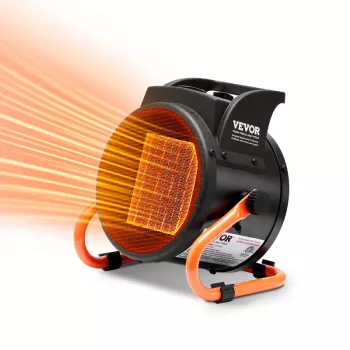
Portable Heat That Helps Your Greenhouse Stay Stable
A compact greenhouse heater can smooth out temperature swings during cold snaps, protect seedlings from chill damage, and reduce the still, damp pockets where condensation and mold like to start. A portable 1500W PTC heater with overheat protection and a 3-speed fan is built for small greenhouses, grow tents, and hobby garden spaces that lose heat quickly after sunset or each time the door opens. Used correctly, it can support healthier leaves and more consistent growth—without roasting foliage or creating “hot spots” near plastic walls.
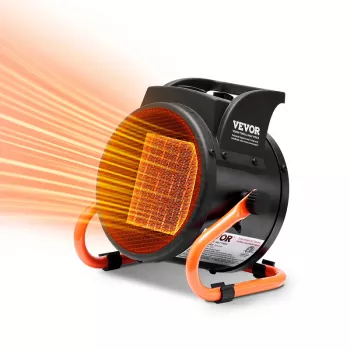
If you’re shopping for a reliable option to warm a small growing area, consider the Portable 1500W Greenhouse Heater with PTC, Overheat Protection & 3-Speed Fan for targeted warmth and circulation in compact spaces.
What This Heater Is Designed to Do
- Deliver fast, targeted warmth for small-to-medium enclosed growing spaces where temperatures can plunge quickly at night.
- Use PTC heating technology for steady heat output and responsive behavior as the element naturally regulates with airflow.
- Circulate air with a 3-speed fan to reduce cold corners and limit stratification (warm air pooling near the roof while plants stay chilly).
- Add a layer of safety with overheat protection for use around common greenhouse materials like film plastic, polycarbonate panels, trays, and benches—while still requiring smart placement and clearances.
In practice, this type of heater is most effective when it’s treated as a circulation-and-recovery tool: it helps the whole space rebound after a temperature dip, instead of trying to brute-force heat through major air leaks.
PTC Heat + Fan Circulation: Why It Matters for Plants
- More even canopy temperatures: Gentle airflow helps keep leaf surfaces closer to ambient air temperature, which can reduce stress for seedlings, clones, and tender starts.
- Humidity management: Mixing air can reduce condensation on glazing and leaves, lowering fungal pressure—especially after watering or on cloudy days.
- Root-zone reality check: Warm air doesn’t automatically warm soil. For better results, combine air heat with insulating mats, raised benches, or ground insulation so roots don’t lag behind.
- Best use cases: Starting trays, overwintering tender container plants, and protecting greenhouse plumbing from freezing during mild-to-moderate cold spells.
Think of the fan as more than comfort—it’s a tool to “stir” the greenhouse so plants aren’t stuck in microclimates (one corner cold and wet, another warm and dry).
Controls and Operating Modes to Use Day-to-Day
A 1500W heater is a common sweet spot for hobby greenhouses: strong enough to recover quickly after the door opens, yet compact enough to place where you need it. The key is matching fan speed and heat output to the moment.
- 1500W output considerations: At full power, it’s geared toward quick recovery. How long it can maintain a set temperature depends on greenhouse size, insulation, and wind exposure.
- 3 fan speeds: Use lower speeds for steady maintenance and to avoid blasting delicate foliage; use higher speeds for rapid mixing after watering or when a cold front hits.
- Overheat protection: Designed to shut down heating if internal temperatures climb too high, but it still needs clear intake/exhaust space and a stable surface.
- Practical routine: Pre-warm before sunset, then maintain a stable overnight setpoint if you’re using a thermostat or external controller.
Quick Mode Guide for Common Greenhouse Moments
| Situation | Recommended fan speed | Heating approach | Placement note |
|---|---|---|---|
| Seedlings on benches | Low–Medium | Maintain steady warmth | Aim airflow across the aisle, not directly at trays |
| After watering / high humidity | Medium–High | Short bursts to mix air | Keep away from direct spray/misters |
| Cold snap overnight | High (initial), then Medium | Warm-up then hold | Position to push warm air along the longest wall |
| Overwintering dormant plants | Low | Gentle temperature support | Avoid blowing directly on stems/buds |
Placement That Heats Better (and Safer)
- Maintain clearances: Keep intake and exhaust unobstructed. Don’t let the unit touch plastic sheeting, shade cloth, cardboard, stacked pots, or nursery trays.
- Elevate when possible: A stable, nonflammable surface (like a paver or metal stand) can reduce heat loss into cold ground and improve airflow.
- Avoid direct leaf blast: Constant hot airflow can desiccate leaves and stress seedlings. Angle it along pathways so air mixes rather than “spot-heats” plants.
- Protect from water: Place away from drip lines, sprayers, and puddles. Route cords so connections stay dry and off the ground.
- Don’t camp by the door: Heaters near entrances lose efficiency every time you open up. Choose a spot that supports circulation through the whole structure.
If you need to adjust greenhouse fittings or tighten a pipe connection for a safer layout, a sturdy hand tool can help—like the 18″ Aluminum Pipe Wrench—so you can reposition hardware without improvising with slippery pliers.
Power, Cost, and Electrical Setup
For broader guidance on reducing fire risk and improving safe operation, review the U.S. Consumer Product Safety Commission’s recommendations on space heater safety and the National Fire Protection Association’s tips for portable heating safety.
Routine Care and Seasonal Storage
FAQ
Is a 1500W heater enough for a small greenhouse?
It depends on greenhouse size, insulation, outdoor lows, and how leaky the structure is, but 1500W is commonly effective for small hobby greenhouses or spot-heating a zone. Measure temperatures at plant height and seal drafts to get more from the same wattage.
Can a PTC greenhouse heater run overnight safely?
It can be used overnight more safely when overheat protection is paired with proper clearances, dry placement, correct cord/circuit ratings, and ideally a thermostat controller to prevent unnecessary run time. Avoid placing it near flammable materials or any water source.
Where should the heater be placed to avoid plant damage?
Aim airflow across aisles for mixing rather than directly onto foliage, and keep the unit away from plastic walls and trays. If possible, elevate it on a stable, nonflammable surface so heat and airflow distribute more evenly.







Leave a comment