9-Cup 600W Food Processor: Chop, Slice, Shred & Knead
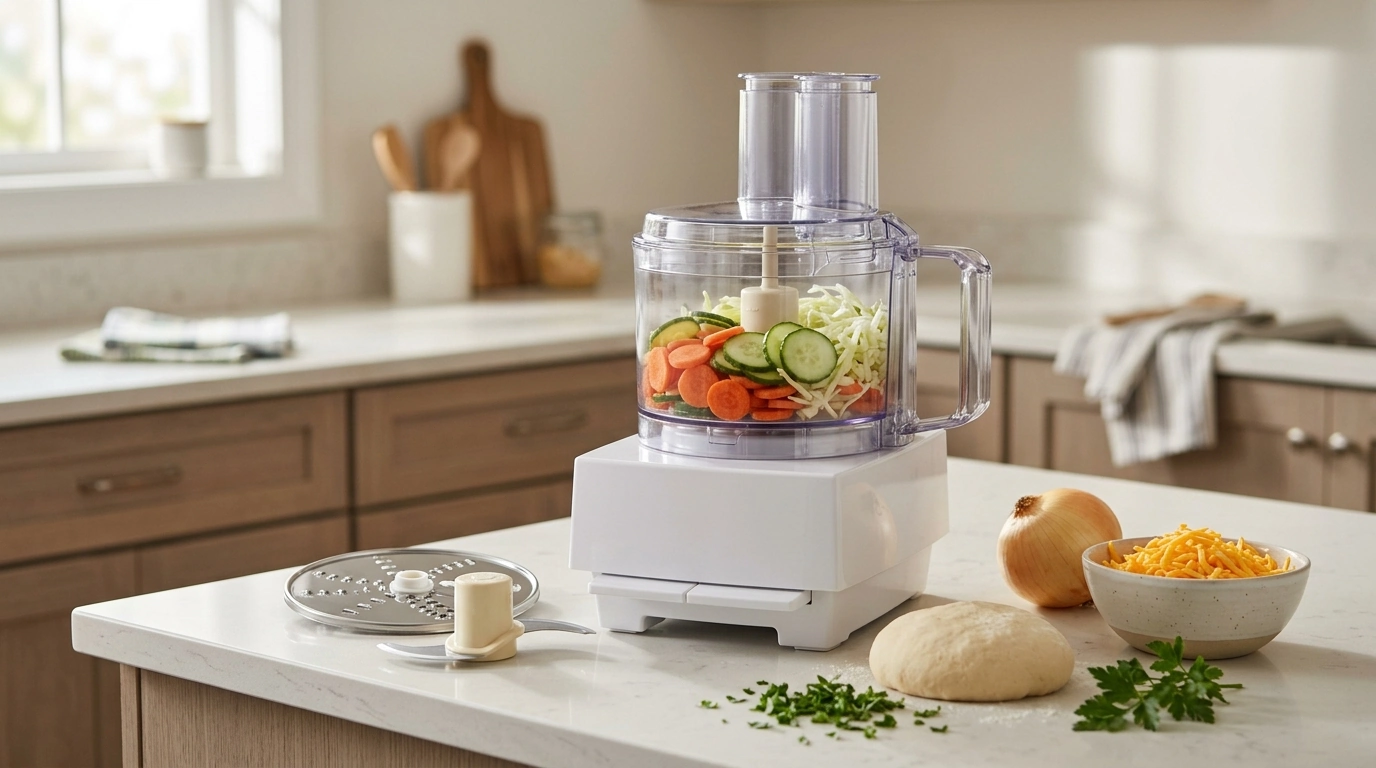
9-Cup Food Processor with 600W Motor: Fast Chopping, Even Slicing, and Confident Dough Kneading
A 9-cup food processor with a 600W motor is built for everyday prep that saves time without sacrificing consistency—whether that means pulsing onions, slicing vegetables for meal prep, shredding cheese, or mixing and kneading dough for pizza night. This size and power level fits many home kitchens: large enough for family sides and batch cooking, yet compact enough to live on the counter without feeling like a commercial appliance.
What a 9-cup, 600W food processor handles best
This mid-size category is designed to cover the most common prep jobs efficiently while keeping control in your hands.
- Chopping and mincing: quick, controlled pulses for onions, garlic, herbs, nuts, and salsas
- Slicing and shredding: uniform results for cucumbers, potatoes, carrots, cabbage, cheese, and more
- Dough kneading: enough torque for many common doughs when used in appropriate batch sizes
- Sauces and spreads: hummus, pesto, vinaigrettes, and some nut butters (final texture depends on blade design and run time)
- Meal prep volume: 9 cups suits weeknight cooking, family portions, and batch prep without the footprint of larger machines
Common tasks and practical tips for cleaner results
| Task | Best technique | Quick tip |
|---|---|---|
| Onions / garlic | Pulse in short bursts | Chill the onion and avoid overfilling to reduce watery results |
| Slicing vegetables | Use steady pressure with the pusher | Trim pieces to fit the feed tube to prevent tipping and uneven slices |
| Shredding cheese | Shred cold, firm cheese | Freeze 10–15 minutes for cleaner shreds and less smearing |
| Pie or pizza dough | Combine dry, then add liquid gradually | Stop when dough forms a ball; avoid prolonged running to reduce heat |
| Hummus / dips | Run longer for smoothness | Scrape bowl walls midway for a more even texture |
Key features to look for (and why they matter)
- Motor strength (600W): supports tougher ingredients and short kneading cycles without stalling as easily.
- Bowl capacity (9 cups): balances countertop space with the ability to handle more than mini models.
- Blade and disc set: an S-blade for chopping/mixing plus slicing and shredding discs for consistent prep.
- Pulse control and speed options: pulse helps keep chunky textures intact; multiple speeds help manage soft vs. hard foods.
- Feed tube and pusher design: wider tubes reduce pre-cutting and improve slicing efficiency.
- Safety interlocks: bowl/lid locking reduces accidental starts during assembly.
- Ease of cleaning: fewer crevices and dishwasher-safe parts make everyday use more realistic.
It also helps to confirm electrical and general product safety marks where applicable. If you’re comparing brands, UL Solutions’ product certification overview is a useful reference for what independent safety certification means.
Performance expectations for chopping, slicing, and shredding
- Evenness starts with prep: trimming ingredients to consistent thickness and length produces more uniform slices and shreds.
- Hard items like carrots and firm cheese: do best with steady, moderate pressure—forcing food can cause hopping, tipping, and uneven cuts.
- For chopped salads and salsas: pulsing typically preserves texture better than continuous running.
- Moisture release is normal: overprocessing onions, tomatoes, and cucumbers can create watery results; process in stages or drain when needed.
- Pause to scrape: if food rides up the bowl wall, stopping to scrape improves consistency and reduces strain on the motor.
For day-to-day kitchen hygiene—especially when processing raw ingredients—good handling habits matter as much as power. The USDA Food Safety and Inspection Service kitchen food safety guidance is a reliable baseline for safe prep and cleanup routines.
Dough kneading: batch sizing and technique
A 600W motor paired with the right blade can handle many doughs (pizza, pie, some breads) when you keep batches sensible and watch the dough closely.
- Start with dry ingredients: distribute flour, salt, and yeast first for more even hydration.
- Add liquids gradually: a steady pour helps dough come together without slinging wet ingredients up the sides.
- Watch for the dough ball: stop soon after it forms; prolonged running can heat the dough and affect texture.
- Mind the batch size: smaller batches usually turn smoother and are easier on the motor than maximum loads.
- Let dough rest: a short rest after processing improves extensibility and makes shaping easier.
Noise, stability, and countertop footprint
Cleaning and care for longer service life
For extra help reducing spoilage risk after meal prep, the FDA’s food product dating guidance is a practical resource for thinking about storage windows and rotation.
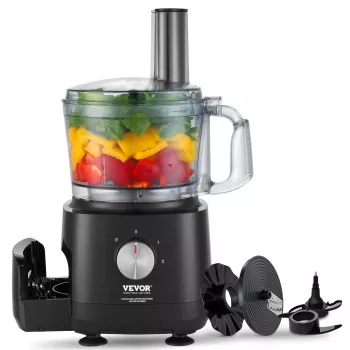
Product spotlight: 9-Cup Food Processor with 600W Motor
If the goal is faster prep with consistent results, the 9-Cup Food Processor with 600W Motor for Chopping, Slicing & Dough Kneading is designed to cover the core kitchen tasks: chopping, slicing, shredding, and short dough cycles in a mid-size 9-cup bowl.
When a different appliance may be a better fit
- For smoothies and drinks: a blender usually delivers a smoother liquid texture than a processor.
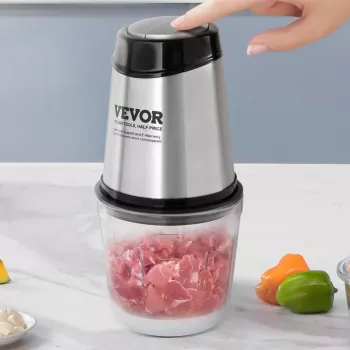
- For very small batches: a mini chopper can be faster to set up and wash.
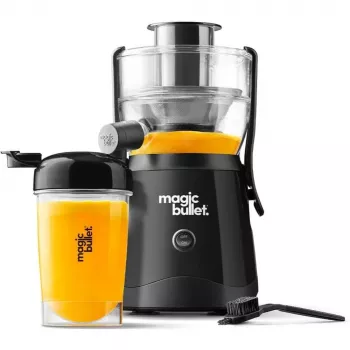
- For frequent juicing: a dedicated juicer is built for extracting juice and separating pulp efficiently. If that’s the main goal, consider the Compact 400W Mini Juicer with 16oz Cup – Easy & Efficient Fruit Juice Extractor.
- For heavy bread dough every week: a stand mixer can handle larger, stiffer dough loads more comfortably over time.
FAQ
Can a 600W food processor knead pizza or bread dough?
Yes for many common doughs in sensible batch sizes. Add liquid gradually and stop shortly after the dough forms a ball to avoid overheating and overworking.
How full should a 9-cup food processor be for chopping and slicing?
Avoid packing it to the top. Leave room for ingredients to circulate when chopping, and feed pieces through the tube steadily for slicing or shredding instead of forcing large chunks.
Is it safe to process hot soup or hot liquids?
Let hot liquids cool first. Hot contents can build pressure and splatter, so process in smaller batches when needed and follow the manufacturer’s safety guidance.








Leave a comment