Cordless Pet Hair Cleanup: 2500mAh Battery & Tips
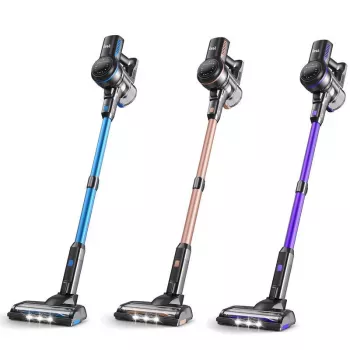
Cordless Cleaning for Pet Hair: Why Battery Power Matters
Pet hair shows up everywhere—rug edges, couch seams, stair corners, and the back seat after one quick ride. When shedding ramps up, waiting for a “full-house” cleaning day can make the mess feel endless. A lightweight cordless vacuum, especially one built for quick grab-and-go sessions, helps keep hair and dander under control without dragging a cord from room to room.
This guide covers what actually improves pet-hair pickup, how a 2500mAh battery fits real routines, how to use attachments for upholstery and cars, and the maintenance habits that keep suction strong. If you’re ready for a simple daily solution, see the Cordless Vacuum Cleaner with 2500mAh Battery – Powerful Pet Hair Remover for convenient spot cleaning on floors, stairs, and fabric surfaces.
What Makes a Cordless Vacuum Work Well for Pet Hair
Consistent suction across floors
Pet hair behaves differently depending on the surface: it can weave into carpet fibers, cling to upholstery, or tumble across hard floors. Strong, consistent airflow is what helps lift embedded hair from carpet while still collecting loose hair on tile and wood without scattering it.
Brush and nozzle design
A floor head that seals well against the surface improves pickup at the edges—where pet hair loves to collect. On furniture and in cars, targeted tools like a crevice nozzle and an upholstery attachment are often the difference between “looks okay” and actually removing what’s stuck in seams and textured fabric.
Filtration and sealing
Pet homes usually deal with more than hair. Fine dust and dander can recirculate if filtration is weak or if seals leak. For additional context on indoor air quality and particle control, review guidance from the U.S. Environmental Protection Agency (EPA) — Indoor Air Quality and the American Lung Association — Indoor Air Pollutants.
Bin and hair management
Hair fills bins fast and can tangle around brush parts. A vacuum that’s easy to empty and simple to clear when hair wraps around components makes frequent cleanups feel practical instead of annoying. The goal is to spend time cleaning floors—not fighting clogs.
Runtime that matches real routines
Most pet-hair cleanup isn’t an hour-long deep clean. It’s quick daily passes—5 to 15 minutes—focused on high-traffic paths and the spots your pet loves most. A battery that holds charge reliably supports that rhythm without needing to “save vacuuming for later.”
2500mAh Battery: What It Means for Daily Cleaning
A 2500mAh battery is designed to support cordless convenience for routine pickup in common pet hair hotspots like entryways, around litter areas, under dining chairs, on stairs, and near pet beds. Instead of waiting until hair is visible everywhere, you can do shorter cleanups more often—typically the easiest way to keep the home feeling fresh.
Charging habits that help battery health
- Avoid letting the battery sit at 0% for long periods.
- Recharge after use so the vacuum is ready for the next quick pass.
- Store and charge in a moderate-temperature area (not a hot car trunk or freezing garage).
Clean in zones for the best use of runtime
Start where hair is heaviest, then finish with easier areas. This approach maximizes effective pickup before any drop in power and reduces the temptation to rush through carpet where slow passes matter most.
| Area | Typical challenge | Best approach |
|---|---|---|
| Sofa, pet bed, throws | Hair woven into fabric and seams | Use upholstery tool; slow passes; overlap strokes |
| Car seats and trunk | Hair trapped in creases and textured fabric | Use crevice tool; vacuum seams first, then flat panels |
| Rugs and carpeted steps | Embedded hair and fuzz | Use higher suction; short, steady pulls; focus on edges |
| Hard floors | Dust + hair tumbleweeds | Lower power; long strokes toward a central pickup path |
Using Attachments to Remove Hair from Upholstery, Stairs, and Cars
Upholstery tool technique
Crevice tool technique
Stairs
Cars
Care and Maintenance for Strong Suction
A Simple Routine for Homes with Pets
- Daily (5–10 minutes): Hit the pet bed area, main walkway, and a favorite couch spot to prevent buildup.
- Twice weekly: Do rugs, stairs, and under furniture edges where hair drifts and collects.
- Weekly: Detail corners, baseboards, and car seats; check filters and the floor head for tangles.
- Pair vacuuming with prevention: Regular brushing and washable throws can reduce what reaches carpet and upholstery. For cats, providing dedicated lounging and scratching zones can also help keep shedding concentrated; consider the 5-Level Cat Tree with Large Hammock, Scratching Posts, and Cozy Condo for Indoor Cats.
Cordless Vacuum Cleaner with 2500mAh Battery – Product Snapshot
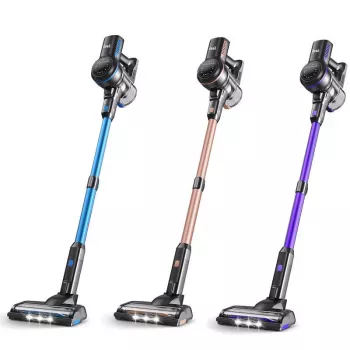
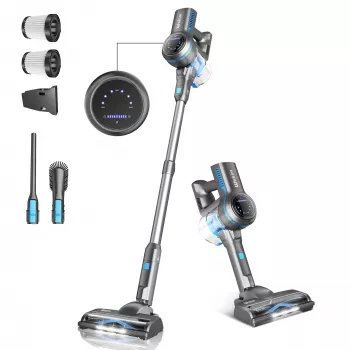
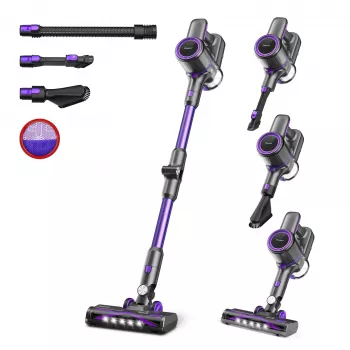
The Cordless Vacuum Cleaner with 2500mAh Battery – Powerful Pet Hair Remover is designed for quick, cordless cleanups of pet hair, crumbs, and everyday dust—without switching outlets as you move from room to room. The 2500mAh battery supports convenient spot-cleaning sessions and fast passes through high-shed zones like stairs, upholstery, and car interiors.
FAQ
Is a cordless vacuum strong enough to pick up pet hair from carpet?
Yes, especially when it has strong airflow and a floor head that seals well to the carpet. Use slower, overlapping passes and switch to a higher power setting (if available) for embedded hair and along carpet edges.
How often should filters be cleaned when vacuuming pet hair?
In pet homes, it’s smart to check filters weekly and clean them per the manufacturer’s instructions. If the filter is washable, let it dry completely before reinstalling, and replace filters on schedule to help maintain suction.
What’s the best way to vacuum pet hair from a couch or car seat?
Start with seams and creases using a crevice tool, then use an upholstery tool with short, firm strokes across the main panels. Work in small sections and empty the bin if you notice airflow dropping during the job.







Leave a comment