Portable Tire Inflator Air Compressor for Fast PSI Top-Ups
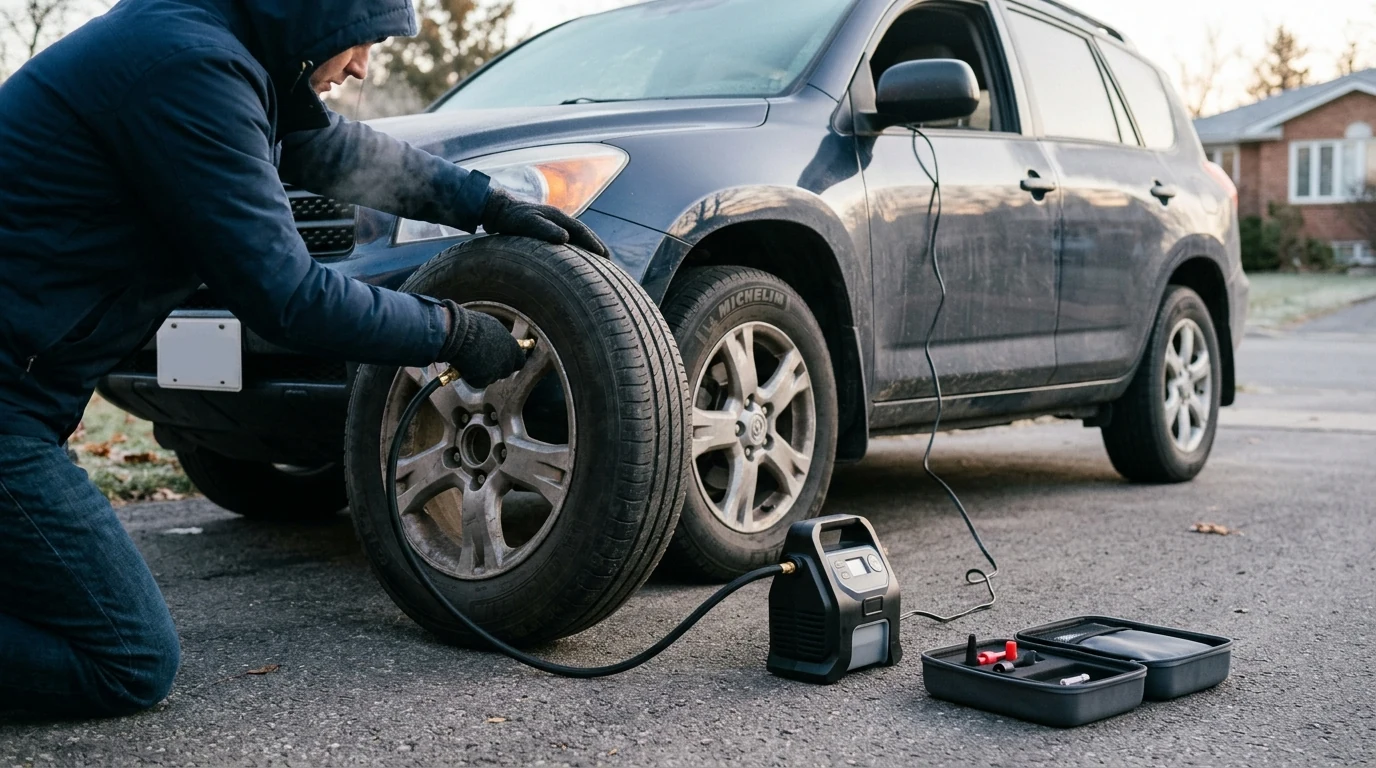
Tire Inflator Portable Air Compressor: Quick Pressure Top-Ups Anywhere
A portable tire inflator makes it easy to keep tires at the right pressure in your driveway, at a trailhead, or on the shoulder of the road. Proper inflation helps reduce uneven wear, supports steady handling, and can prevent that sinking feeling that comes with spotting a low tire right before you need to leave. Below is a practical guide to choosing a compact air compressor, using it correctly, and getting the most value from a tool that earns its spot in your trunk.
Why a portable tire inflator is worth keeping in the car
Tire pressure naturally changes over time, and it can swing quickly with weather shifts. A portable inflator lets you restore safe driving pressure after a cold snap, a slow leak, or a long highway run—without hoping the nearest gas station has a working pump.
- Helps restore safe driving pressure after temperature swings, slow leaks, or long trips.
- Reduces the need to search for air late at night or in bad weather.
- Supports routine pressure checks, which can extend tire life and improve fuel economy.
- Useful beyond car tires: bicycles, sports balls, and some inflatable gear (with the right adapters).
For more tire-safety fundamentals, the NHTSA tire safety guidance is a reliable reference, and the U.S. Department of Energy explains why correct pressure matters for efficiency on FuelEconomy.gov.
What to check before buying
Portable inflators look similar at a glance, but small differences affect how quickly (and comfortably) you can top up air when it counts.
- Power and portability: Choose between rechargeable models, 12V plug-in models, or hybrid designs depending on where you’ll use it most.
- Pressure range and accuracy: Confirm it covers typical passenger-vehicle PSI needs and includes a clear gauge or digital display.
- Auto-stop or target pressure setting: Helps prevent overinflation when multitasking or inflating in low light.
- Hose length and reach: A short hose can make it difficult to reach valves on larger wheels or when parked close to a curb.
- Included nozzles: Look for common adapters for bikes (Presta), balls, and inflatables if those are part of the plan.
- Noise and heat handling: Compact compressors can get loud and warm; shorter duty cycles and breaks help longevity.
- Storage and accessories: Integrated cord storage, a carry bag, and a valve tool make quick use easier.
Typical performance specs and what they mean
Specs can be confusing, especially when “maximum PSI” gets highlighted. For most drivers, the day-to-day performance in the normal operating range matters more than the biggest number on the box.
- Inflation speed: Often stated as liters per minute or as “time to inflate.” Faster units are convenient but may be louder and bulkier.
- Maximum PSI: Less important than reliable performance in the 30–45 PSI range for most cars (higher targets matter for some bike tires).
- Duty cycle: The run time before resting. This affects how well it handles topping up multiple tires in a row.
- Night usability: A backlit display and built-in LED work light make roadside use easier and safer.
Quick spec checklist (compare before checkout)
| Spec | Why it matters | Good baseline for most drivers |
|---|---|---|
| Power source | Determines where you can inflate (driveway vs roadside) | 12V plug-in or rechargeable |
| Pressure display | Helps hit the correct PSI | Clear analog gauge or digital readout |
| Auto-stop | Prevents accidental overfill | Target pressure + automatic shutoff |
| Air hose length | Reaches valves comfortably | Long enough to reach all wheels without strain |
| Adapters included | Expands use beyond car tires | Ball needle + inflatable nozzle; bike adapter if needed |
| Work light | Makes roadside inflation safer | Integrated LED light |
| Overheat protection | Protects the motor | Automatic shutoff or stated duty cycle |
How to use a tire inflator correctly
A portable compressor is simple to operate, but a few habits help you get accurate pressure and avoid unnecessary wear on the unit.
Safety and maintenance tips for longer service life
AAA also offers a helpful overview of tire checks and warning signs on its tire maintenance and safety page.
When this tool helps most
Product options in stock
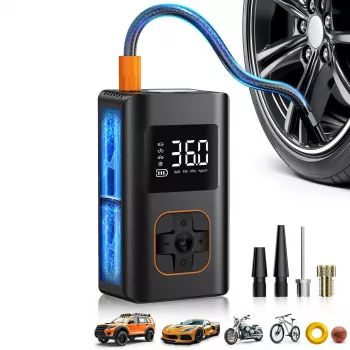
For quick pressure top-ups at home or on the road, the Tire Inflator Portable Air Compressor is an easy addition to a glovebox or trunk kit. Pairing an inflator with a basic tire gauge, spare valve caps, and a simple roadside kit keeps you ready for common low-pressure situations.
For a broader trunk tool setup, the 18″ Aluminum Pipe Wrench can be a useful general-purpose tool to keep with emergency gear, especially for non-tire tasks where leverage matters.
FAQ
What PSI should car tires be inflated to?
Use the recommended PSI listed on the driver-side door jamb placard (or in the owner’s manual). The PSI molded on the tire sidewall is the tire’s maximum rating, not the correct setting for your specific vehicle.
Can a portable inflator fix a flat tire?
It can add air, but it won’t seal a puncture or repair sidewall damage. If pressure drops quickly after inflation, stop driving and switch to a spare, use a plug kit only for certain tread punctures, or get professional help.
Why does tire pressure drop when the weather gets colder?
Air contracts as temperatures fall, so the measured pressure drops. A common rule of thumb is about 1 PSI lost for every 10°F decrease, which is why seasonal changes often trigger low-pressure alerts.









Leave a comment