Cleaner Compost Fast: 37-Gallon Dual-Chamber Tumbler
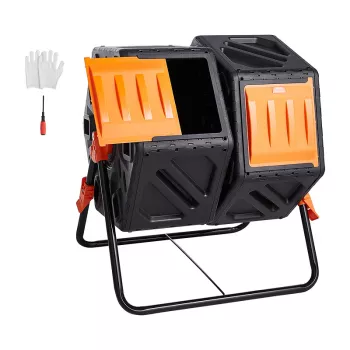
Cleaner, Faster Backyard Compost with a 37-Gallon Dual-Chamber Tumbler
A dual-chamber compost tumbler keeps scraps contained, reduces odors, and speeds up decomposition with better aeration. This 37-gallon model adds easy rolling and built-in airflow features to make turning simpler and batch composting more consistent—ideal for small gardens, patios, and year-round home composting.
When the bin is easy to turn and materials get enough oxygen, composting becomes a low-effort routine instead of a messy project. The result is a steadier supply of dark, crumbly compost for beds, containers, and lawn topdressing.
What Makes a Dual-Chamber Tumbler Different
Dual-chamber tumblers are designed for momentum. Instead of waiting until one big container finishes, you can keep adding scraps while still getting finished compost on a predictable cycle.
- Two chambers support a steady rhythm: one side finishes while the other is filled with fresh material.
- Contained design helps deter pests: compared with open piles, a closed tumbler can be easier to keep tidy in smaller spaces.
- Frequent turning boosts oxygen: better aeration helps materials break down faster and more evenly.
- More consistent results: ideal for gardeners who want regular finished compost rather than one large seasonal batch.
Highlights of the 37-Gallon Easy-Rolling, Airflow Tumbler
A 37-gallon dual chamber is a practical “middle size” for many households—large enough to matter, small enough to manage. With rolling-friendly turning and built-in airflow, it’s engineered to make the habits that create good compost (mixing and oxygenation) feel effortless.
- Balanced capacity: 37 gallons offers a useful blend of footprint and output for kitchen scraps plus light yard trimmings.
- Dual chambers: maintain an “active” side and a “curing” side without pausing new additions.
- Easy rolling/turning: encourages frequent mixing, supporting faster breakdown and fewer wet clumps.
- Airflow features: help oxygen reach materials for aerobic composting and fewer sour smells.
- Cleaner composting zone: enclosed design keeps the surrounding area more contained.
For general composting guidance and what to expect from home systems, the EPA’s Composting at Home resource is a solid reference point.
How to Set It Up for Smooth Turning and Better Aeration
Good compost starts with a good setup. A few minutes of smart placement and “first-load structure” can prevent the most common tumbler headaches: clumping, soggy pockets, and slow breakdown.
- Placement: choose a level spot with partial sun if possible. Warmth speeds decomposition, while some shade can prevent overheating in hot climates.
- Keep it stable: make sure the unit sits securely so rolling/turning feels controlled and predictable.
- Start with structure: add a base layer of coarse browns (small twigs, shredded cardboard) to promote airflow from day one.
- Avoid overpacking: leave space so materials can tumble. Compaction slows airflow and creates wet pockets.
- Turn on a schedule: a few spins every couple of days is typically easier (and more effective) than infrequent heavy turning.
Loading Guide: Getting the Greens-to-Browns Balance Right
The simplest way to keep tumbler compost sweet-smelling and active is to favor browns. Kitchen scraps are usually wet and nitrogen-rich, so pairing them with dry, carbon-rich materials helps keep the mix airy and odor-resistant.
- Greens (nitrogen): fruit and vegetable scraps, coffee grounds, fresh grass clippings—these add moisture and nitrogen.
- Browns (carbon): dry leaves, shredded paper, cardboard, straw—these add structure and help reduce odors.
- Aim for a brown-leaning mix: when in doubt, add more browns to prevent a wet, smelly batch.
- Chop smaller: smaller pieces break down faster and tumble more evenly.
- Add moisture carefully: compost should feel like a wrung-out sponge—damp, not dripping.
Quick Material Guide for a Dual-Chamber Tumbler
| Material | Type | Best Practice |
|---|---|---|
| Vegetable scraps | Green | Mix with dry browns; avoid large chunks |
| Coffee grounds | Green | Add in thin layers; balance with shredded cardboard |
| Dry leaves | Brown | Crush/shred for faster breakdown |
| Cardboard/paper (uncoated) | Brown | Shred; helps absorb excess moisture |
| Grass clippings | Green | Use sparingly; mix well to prevent matting |
| Meat/dairy/oily foods | Avoid | Can attract pests and cause odors in home systems |
For deeper compost science and troubleshooting fundamentals, Cornell’s overview of Composting Basics is a helpful companion.
Routine: Turning, Moisture, and Odor Control
If you want a practical overview of composting methods and best practices, the USDA NRCS summary on Composting offers a clear baseline for home and garden use.
Common Problems and Quick Fixes
Who This 37-Gallon Dual-Chamber Tumbler Fits Best
Product Options
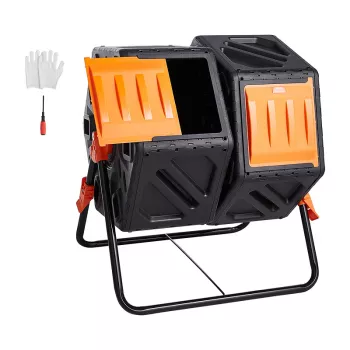
- 37-Gallon Dual Chamber Compost Tumbler with Easy Rolling and Airflow ($67.01): practical capacity for regular kitchen scraps and yard waste, designed for easier turning and improved aeration.
- 18″ Aluminum Pipe Wrench ($37.67): a handy tool for tightening hardware during assembly and occasional yard projects.
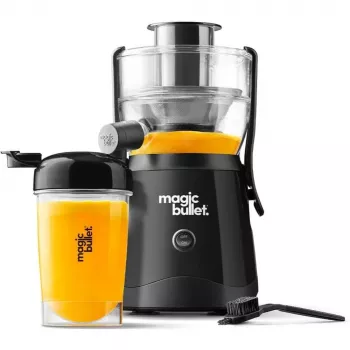
- Compact 400W Mini Juicer with 16oz Cup – Easy & Efficient Fruit Juice Extractor ($81.82): juicing can create pulp that composts quickly when balanced with dry browns.
FAQ
How often should a dual-chamber compost tumbler be turned?
A good starting schedule is a few turns every 2–3 days (or several short turns per week). In cooler weather or with drier mixes, you can turn less; if it’s wet or slow, turn a bit more often. Frequent light turns usually work better than rare heavy turning.
How long does compost take in a tumbler with good airflow?
Most batches take several weeks to a few months depending on chop size, moisture, temperature, and how often you turn. Even when it looks “done,” letting it cure for a few more weeks typically improves texture and stability for garden use.
What should not go into a backyard compost tumbler?
Avoid meat, dairy, oily foods, and pet waste because they can cause odors and attract pests. Diseased plants and weeds with mature seeds are also risky unless your system reliably heats enough to kill pathogens and seeds.








Leave a comment