Heavy-Duty Tomato Cages: Strong Support for Climbing Vines
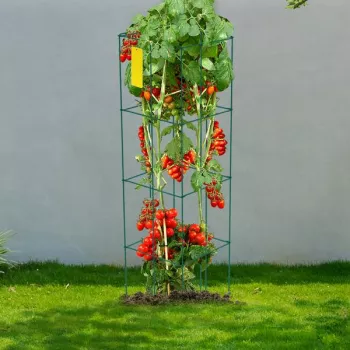
Heavy-Duty Tomato Cages for Climbing Plants: Stable Support for Bigger Vines and Cleaner Fruit
Climbing plants don’t politely stay where they’re planted. Once warm weather hits, vines can surge upward and outward, loading stems with heavy fruit and turning a tidy bed into a sprawl. When support is too light, cages bend, plants lean, and fruit ends up pressed into soil—inviting cracking, rot, and pest pressure. Heavy-duty tomato cages are built to keep vigorous growers upright, improve airflow through foliage, and make pruning and harvesting far less frustrating, especially with indeterminate tomatoes and other long-season climbers.
Below is a practical guide to what “heavy-duty” really means, which cage styles suit different plants, and how to install and manage cages so they hold steady through wind, rain, and peak fruit set.
What Makes a Tomato Cage “Heavy-Duty”
A heavy-duty cage isn’t just “a little thicker.” It’s a system designed to resist bending, tipping, and gradual fatigue over a long season.
- Thicker wire or rigid metal construction: Holds shape when vines are loaded with fruit and foliage.
- Taller height: Reduces mid-season flopping and last-minute improvisation for indeterminate varieties.
- Wider footprint or stable geometry: Cone, square, and tower forms help resist tipping in storms.
- Durable coating or corrosion-resistant material: Slows rust and keeps surfaces smoother against stems.
- Anchor-ready legs and tie points: Lets you pin cages down so the plant stays centered and upright.
Quick Guide to Cage Strength and Best Uses
| Feature | Why it matters | Best for |
|---|---|---|
| Thicker wire / rigid frame | Prevents bowing and collapse under fruit weight | Large-fruited tomatoes, long-season vines |
| Tall height | Supports continued upward growth without flopping | Indeterminate tomatoes, tomatillos |
| Wide base | Improves stability in wind and uneven watering cycles | Raised beds, exposed gardens |
| Protective coating | Reduces rust and snagging on stems | Humid climates, repeated seasonal use |
| Anchor-compatible legs | Locks support into soil or bed | Loose soil, containers, windy areas |
Cage Styles and Which Climbing Plants They Fit
The “best” cage depends on your plant’s vigor, your spacing, and how you like to prune and harvest.
- Round/cone cages: Fast to place and easy for casual training. They do best when anchored well, especially with heavier fruit.
- Square or tower cages: Often feel more rigid because of straight vertical supports. They’re easier to reach into from multiple sides and simplify guiding vines upward.
- Panel-style cages (folding or modular): Great when one plant becomes huge or when you want a short trellis wall for multiple plants in a row.
- Stackable systems: A smart solution for indeterminate tomatoes—add height as the season progresses instead of swapping the entire cage.
- When cages aren’t ideal: For very tall or high-yield setups, consider trellis netting, string trellises, or cattle-panel arches to carry the load.
For tomato-specific support fundamentals (including spacing and care), the University of Minnesota Extension is a reliable reference.
How to Size a Cage for Your Planting Setup
Choosing a heavy-duty cage isn’t only about strength—it’s about fit. A cage that’s too small forces constant pruning and increases breakage when you reach inside to harvest.
Installation That Prevents Leaning, Tipping, and Bent Frames
If you’re cutting tie material, tightening clamps, or working with stubborn anchors, a solid hand tool can help. The 18″ Aluminum Pipe Wrench is a practical option to keep on hand for tough garden hardware and seasonal maintenance.
Training and Pruning for Healthier Growth Inside a Cage
For disease prevention practices that pair well with better airflow and cleaner fruit, see Penn State Extension’s guidance on tomato diseases and cultural practices.
Material and Weather Considerations
For localized, region-specific staking and trellising advice, the USDA Cooperative Extension System can point you to nearby resources.
Product Spotlight: Heavy-Duty Tomato Cages for Climbing Plants
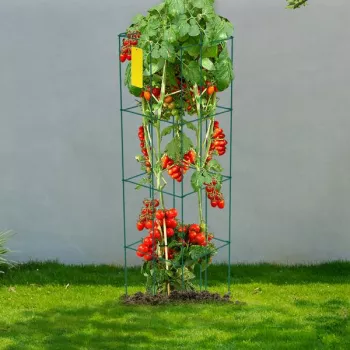
If your vines routinely outgrow light wire cages, a sturdier option can keep plants upright through peak fruit load and reduce the cleanup that comes with fruit touching soil. The Heavy-Duty Tomato Cages for Climbing Plants are designed to provide stable vertical structure for indeterminate tomatoes and other vigorous climbers, helping improve airflow through foliage and supporting cleaner harvests.
At-a-Glance Details
| Item | Details |
|---|---|
| Product | Heavy-Duty Tomato Cages for Climbing Plants |
| Price | 41.51 USD |
| Availability | In stock |
| Product page | View product |
After harvesting, a compact countertop tool can turn surplus tomatoes into fresh juice blends quickly. The Compact 400W Mini Juicer with 16oz Cup is a convenient option for processing smaller batches without hauling out a full-size appliance.
FAQ
Do tomato cages work for cucumbers and other climbers?
Yes—many compact cucumbers, peppers, tomatillos, and smaller beans can do well in cages, especially when you start training early. For very vigorous cucumbers or pole beans, a taller trellis may be easier to manage over the full season.
How do tomato cages stay upright in strong wind?
Install cages at planting time, push legs deep into firm soil, and add anchors like stakes or ground pins. Connecting multiple cages in a row and keeping growth centered inside the cage also reduces leverage that causes tipping.
How tall should a cage be for indeterminate tomatoes?
Taller is usually better because many indeterminate varieties exceed short cages mid-season. Choose the tallest option that fits your space, or use stackable/modular systems; if height is limited, prune and top plants to keep growth manageable.








Leave a comment