Mechanical Keyless Lock: No Batteries, Adjustable Thumb Knob
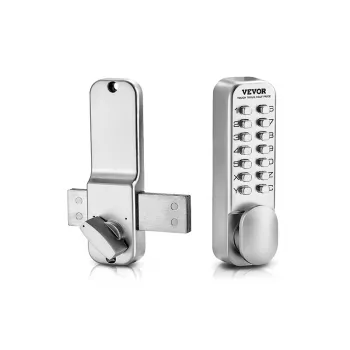
Reliable Access Without Batteries: Mechanical Keyless Entry with an Adjustable Thumb Knob
A mechanical keyless lock delivers quick entry using a code—without relying on batteries, apps, Wi‑Fi, or hubs. For many homes and small businesses, that simplicity is the point: fewer failure points, less upkeep, and straightforward access for people who need it. Add an adjustable thumb knob on the interior side, and the lock becomes even more practical by letting the inside turn feel natural across different door setups, clearances, and user preferences. For more guidance, see 10 Best Smart Locks of 2026, Lab-Tested and Reviewed.
What a mechanical keyless lock does (and what it doesn’t)
Mechanical keyless locks use a physical push-button (or similar) code mechanism to retract the latch. Since there’s no motor, no battery compartment, and no wireless chip, the lock continues to work the same way day after day—even during power outages or when a phone is dead. For further reading, see CPC Definition – E05B LOCKS; ACCESSORIES THEREFOR – USPTO.
- Unlocks via a physical code mechanism: No pairing, no charging, and no “low battery” surprises.
- Built for frequent, straightforward use: Great for doors where multiple people need routine access.
- No app-based controls: Features like remote unlock, activity logs, schedules, and temporary digital keys typically require an electronic keypad or smart lock.
If you’re comparing lock types for a door that needs consistent access more than remote management, a mechanical keypad is often the lowest-maintenance option.
Why an adjustable thumb knob matters
The interior thumb turn is what you use most when you’re home—locking up at night, stepping out to the garage, or securing a side door after letting the dog out. A fixed thumb turn can feel awkward if the door thickness, trim, or interior clearance forces your hand into an unnatural position. An adjustable thumb knob helps solve those everyday annoyances.
- More comfortable operation: Position the interior turn so it aligns with how your hand naturally moves.
- Better fit across real-world doors: Helps accommodate variations in door thickness, backset, and interior clearance—especially when a storm door, security screen door, or tight trim is nearby.
- Less fumbling in busy entryways: Smoother locking and unlocking from inside reduces strain when you’re carrying groceries or moving quickly.
Where this style of lock fits best
Mechanical keyless entry is a strong match for locations where reliability and shared access matter more than smart features.
- Rental properties and short-term stays: Share access without handing out keys that can be lost or copied.
- Garages, workshops, sheds, and side doors: No batteries to replace in hot summers or freezing winters.
- Small offices and staff-only areas: Controlled access without involving IT accounts, apps, or device management.
- Households with kids or caregivers: A code can be easier than distributing (and tracking) multiple keys.
Key specs to confirm before buying
Mechanical locksets are straightforward, but fit matters. Before purchasing, confirm these basics to reduce installation surprises.
Quick comparison: Mechanical keyless vs other common options
| Lock type | Power needed | Best for | Trade-offs |
|---|---|---|---|
| Mechanical keyless (push-button) | None | Simple shared access, low maintenance | No app features; code changes are manual |
| Electronic keypad | Batteries | Convenience + flexible code features | Battery swaps; more parts that can fail |
| Smart lock (Wi‑Fi/Bluetooth) | Batteries (and sometimes hub power) | Remote control, logs, automation | Higher cost; connectivity and app dependency |
| Traditional keyed lock | None | Lowest cost, familiar use | Keys get lost/copied; rekeying can add cost |
Installation overview and fit checks
Having a solid tool on hand helps keep the job clean and avoids rounded fasteners during adjustment. For heavier-duty tightening or holding plumbing-style fittings in a workshop setup, an 18″ Aluminum Pipe Wrench can be a useful addition to a general tool kit.
Day-to-day use tips for smoother operation
Security and durability considerations
- Reinforce the jamb when appropriate: Upgrading strike plate screws to longer, stronger screws can improve anchoring.
- Prioritize weather resistance outdoors: For rain or salt air, choose durable finishes and keep surfaces clean to reduce corrosion.
- Match the lock to the risk level: For higher-security needs, consider pairing with a deadbolt or selecting hardware that meets recognized performance standards. The BHMA Certified Products Directory is a helpful reference for understanding standardized hardware performance categories.
If you’re weighing “simple and offline” against connected features, it’s also worth understanding the trade-offs of internet-connected devices. NIST’s general guidance on IoT security provides useful context for why fewer connected components can reduce certain risks: NIST IoT recommendations.
Care, cleaning, and troubleshooting
Product option to consider
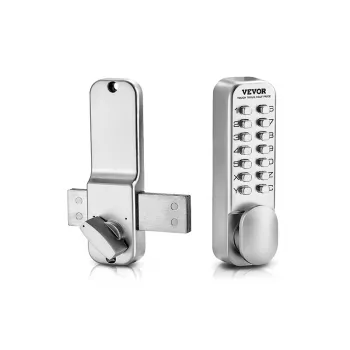
If you want key-free entry that doesn’t depend on batteries or connectivity, the Mechanical Keyless Entry Door Lock with Adjustable Thumb Knob is a practical option. It’s designed for straightforward everyday access while giving you an interior thumb-turn that can be adjusted to better suit different door setups and interior clearances.
FAQ
Does a mechanical keyless lock need batteries or Wi‑Fi?
No. Mechanical keypad locks work without batteries or wireless connectivity, relying on internal mechanical components to retract the latch. That also means they typically won’t offer app features like remote unlock or entry logs.
Will an adjustable thumb knob fit any door?
Not always. “Adjustable” improves fit options and comfort, but you still need to confirm your door thickness, backset, and interior clearance to ensure the lockset and thumb turn won’t bind or interfere with nearby trim or a screen door.
What should be checked if the latch doesn’t line up after installation?
Check for door sag, tighten hinges, and verify the strike plate position on the jamb. Also confirm the latch orientation is correct and test operation with the door open before making final adjustments.








Leave a comment