400W Compact Mini Juicer + 16oz Cup for Small Kitchens
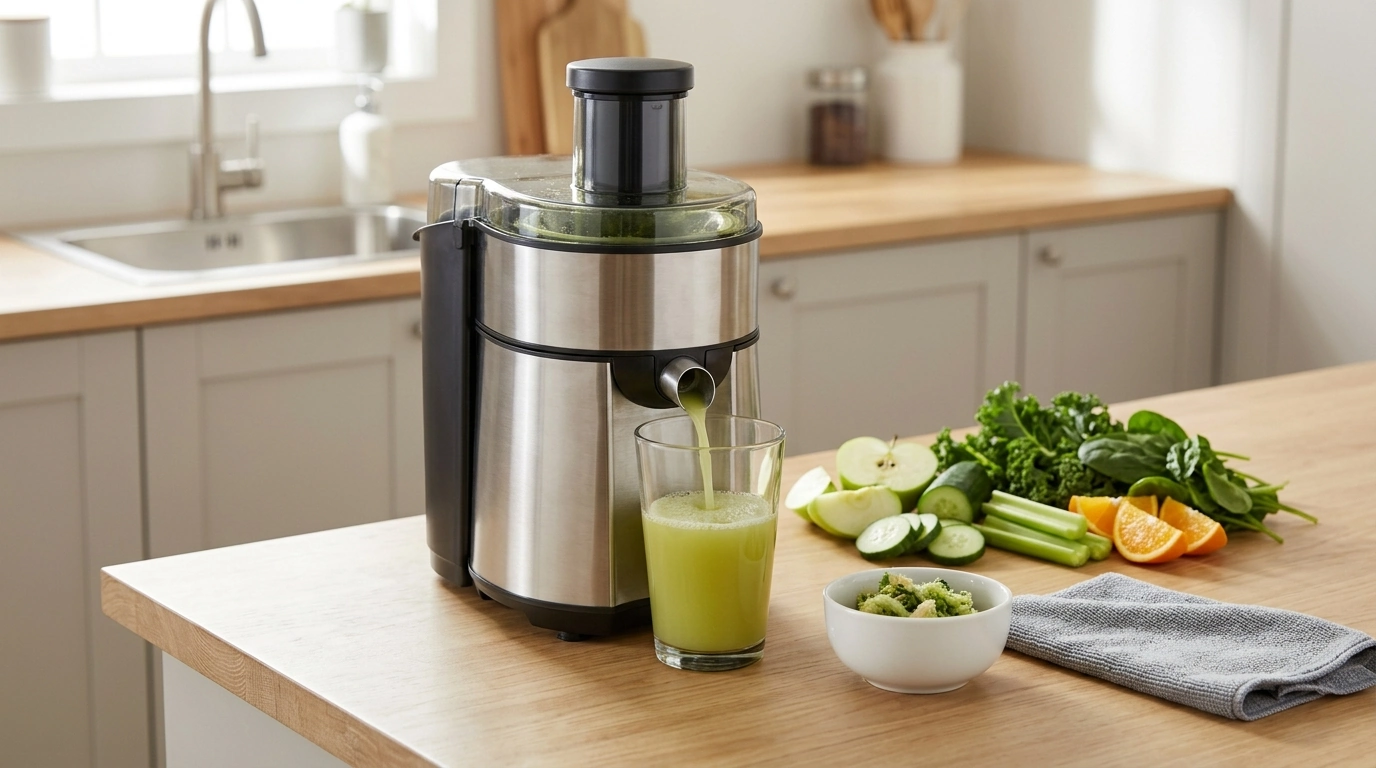
Compact 400W Mini Juicer with 16oz Cup: Quick Fresh Juice for Small Spaces
A compact juicer can make daily fruit and veggie juice practical even in tight kitchens. A 400W mini juicer paired with a 16oz cup is built for speed, simple routines, and minimal countertop clutter—ideal when you want fresh juice without hauling out a bulky machine or committing to big-batch storage. Below is what this style does best, how to get smoother results with less mess, and how to keep cleanup realistic for everyday use.
What a compact 400W juicer is best at
This format is all about quick, single-serve convenience. For breakfast, post-workout, or an afternoon pick-me-up, you can juice and pour in minutes—especially when the produce is already washed and prepped. Compact designs also tend to have fewer parts, which matters when you’re trying to keep your sink and drying rack under control.
- Fast, single-serve juice without dragging out a large appliance
- Great fit for apartments, dorms, RV counters, and small pantries
- Handles common produce like apples, oranges, grapes, pears, cucumbers, celery, plus leafy add-ins (depending on chute and filter)
- Useful when you want fresh juice but don’t want to store large batches
- A 16oz cup matches a common “one-and-done” serving, limiting leftovers and oxidation time
At-a-glance details
| Feature | What it means for daily use |
|---|---|
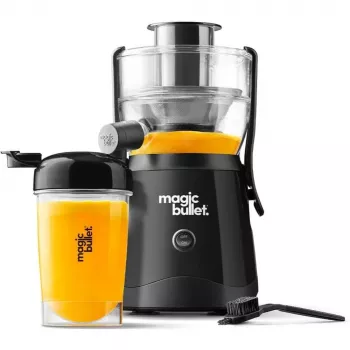
| 400W motor | Designed for quick spinning and short juicing sessions; avoid long continuous runs if the unit warms up |
| 16oz juice cup | Convenient single serving; easy to pour and refrigerate if needed |
| Compact body | Simpler storage and faster setup on busy mornings |
| Mini juicer format | Typically favors speed and convenience over maximum yield from very fibrous produce |
If you’re shopping for a compact option that matches this routine, the Compact 400W Mini Juicer with 16oz Cup – Easy & Efficient Fruit Juice Extractor is a practical fit for daily, single-serve use.
How to get the most juice with less mess
Mini juicers are straightforward, but small technique changes can noticeably improve flow, reduce splatter, and keep the filter basket from clogging early.
- Prep to match the feed chute: Remove large pits (peaches, plums), thick rinds (pineapple), and tough stems before juicing.
- Alternate soft and firm items: After softer fruit, run a few firmer pieces to help push pulp through the filter.
- Make greens “behave”: Roll leafy greens into tighter bundles or pair them with watery produce like cucumber or apple.
- Don’t overload: Feed steadily rather than packing the chute; this reduces clogging and splatter.
- Manage foam: Let juice rest for a minute before drinking, or strain lightly while pouring if you prefer a clearer texture.
Setup and first-use checklist
A smooth first run is mostly about stability, correct assembly, and starting with easy produce so you learn the pace.
- Place the juicer on a stable, dry surface and keep the cord away from the counter edge.
- Confirm the cup is seated correctly and the spout (if present) is aligned for clean pouring.
- Check that all parts are fully locked before powering on; many compact units require precise alignment to run.
- Start with easy produce (citrus segments, peeled apples, cucumber) to learn feed speed and pulp output.
- Use short cycles at first and pause if the motor sound changes, which can signal a jam or overload.
Cleaning and maintenance that stays realistic
The best “cleanup hack” is timing: rinse immediately so pulp doesn’t dry into the mesh. For food safety and freshness, keep your prep area clean, separate fresh produce from raw meats, and refrigerate juice promptly. Helpful basics are covered by the CDC’s food safety guidance and the USDA’s refrigeration basics.
- Rinse right away: A quick rinse immediately after juicing prevents pulp from hardening and cuts down scrubbing time.
- Soak the filter basket: If pulp is stuck, soak for a few minutes in warm, soapy water, then use a soft brush to protect the mesh.
- Wipe the motor base only: Use a damp cloth; keep water out of vents and switches.
- Dry fully before reassembly: Dry parts completely to reduce odor and maintain a snug fit.
- Inspect wear points: Check the filter and seals regularly; replace parts if cracking or deformation appears.
- Weekly deeper clean (daily users): Soak removable parts and check crevices where pulp collects.
What to expect by ingredient type
Ingredient tips for smoother juicing
| Ingredient | Quick prep tip | Best pairing |
|---|---|---|
| Orange | Peel thick rind; segment if needed | Carrot or apple |
| Apple | Quarter and remove hard core pieces | Spinach or celery |
| Cucumber | Trim ends; leave peel if preferred | Lemon and mint |
| Carrot | Cut into shorter sticks | Orange or pineapple (peeled) |
| Spinach | Bundle/roll leaves | Apple or cucumber |
Safety and durability habits
When a compact juicer is the right choice (and when it isn’t)
For gatherings or make-ahead self-serve setups, pairing fresh juice with a countertop dispenser can simplify hosting. The 2 Gallon Beverage Dispenser with Stainless Steel Spigot for Parties & Events is a convenient way to serve chilled juice mixes or infused water.
FAQ
Can a compact 400W juicer handle hard produce like carrots and beets?
Yes in many cases, but cut pieces smaller, feed slowly, and pause if the motor strains or pulp builds up. Alternating with watery items like cucumber or apple can help keep flow moving.
How long can fresh juice sit in the 16oz cup?
For best taste, drink it soon after juicing. If storing, seal and refrigerate promptly and aim to consume within 24 hours, since flavor and nutrients can degrade over time.
What is the easiest way to clean the filter basket?
Rinse immediately after use, then soak briefly in warm soapy water if needed. Use a soft brush along the mesh and avoid abrasive pads that can damage the screen.








Leave a comment