Heavy-Duty Bolt Cutters (8–24in): Clean Lock & Wire Cuts
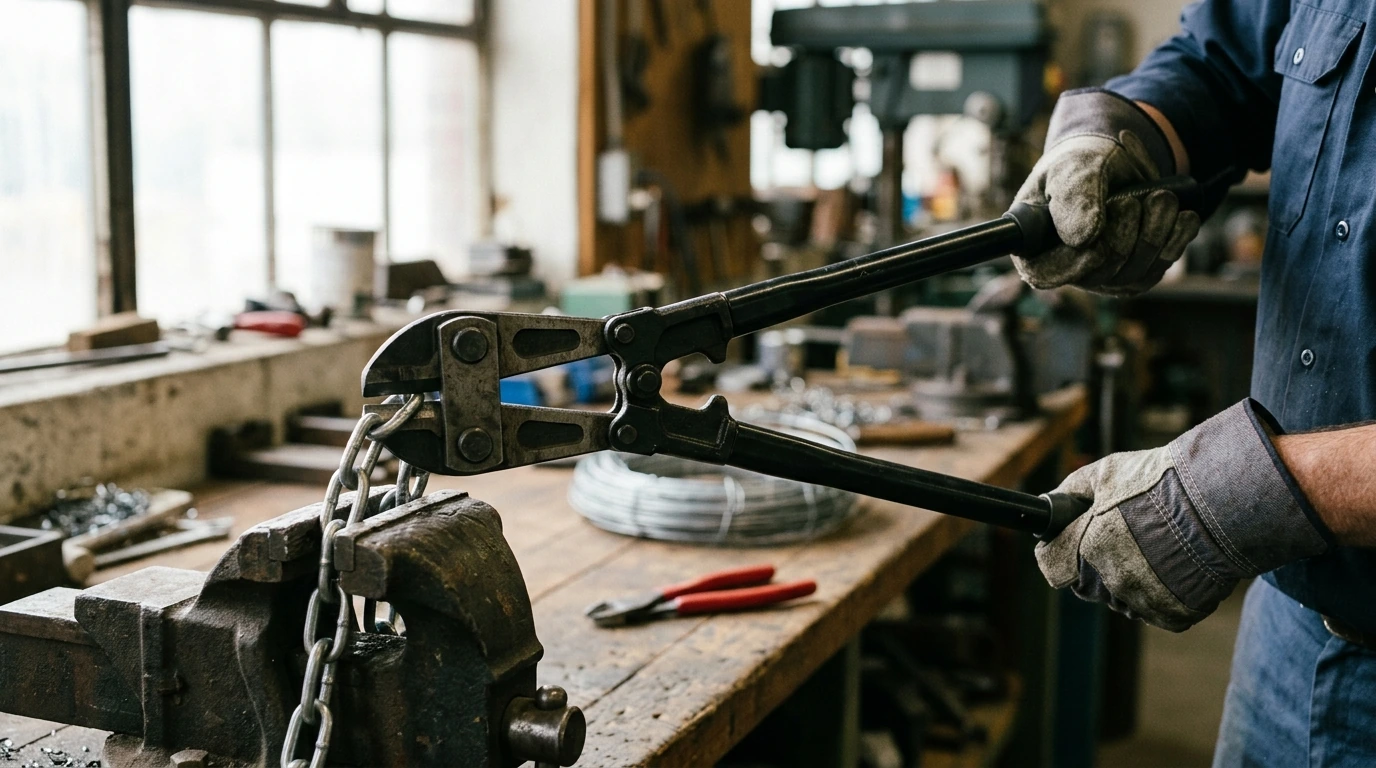
Heavy-Duty Bolt Cutters (8in to 24in): Precision Cuts for Locks, Wire, and More
A dependable bolt cutter makes quick work of chain, padlocks, wire, fencing, and fasteners when leverage and a clean bite matter more than speed. An 8-inch to 24-inch heavy-duty bolt cutter is built around one idea: multiply your hand force into controlled cutting pressure, so the jaws shear instead of crushing or slipping. Below is a practical guide to how different sizes behave, how to set up cleaner cuts, and how to keep the tool performing smoothly over time.
What a heavy-duty bolt cutter does well
Bolt cutters excel when a job calls for high mechanical advantage and a predictable cutting action. With the workpiece positioned correctly and the jaws in good condition, you can cut tough materials with steady pressure rather than repeated squeezing.
- High leverage, controlled pressure: The handle length and pivot geometry help shear material cleanly without excessive hand strain.
- Best-fit materials: Chain links, light-to-medium padlocks (within tool limits), wire rope (within tool limits), bolts, nails, and fencing wire.
- Precision depends on setup: Jaw alignment, edge condition, and keeping the cut square to the material have a bigger impact than brute force.
- Portability vs. power: Shorter tools carry easily and fit tighter spaces; longer tools usually handle thicker or tougher stock with less effort.
- Typical users: Maintenance teams, electricians, mechanics, DIY homeowners, and lockout/security work where permitted and authorized.
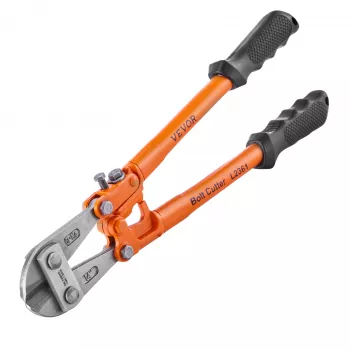
If you’re shopping for a reliable all-around option, the Heavy-Duty Bolt Cutter – 8in to 24in | Precision Lock & Wire Cutting Tool is designed for everyday cutting tasks where a clean, controlled bite matters.
Choosing the right length: 8in, 12in, 18in, and 24in
Length is the fastest way to predict how a cutter will feel. Short cutters are easier to place precisely on small parts, while longer cutters reduce effort and handle tougher materials—assuming you have enough clearance to open and close the handles fully.
| Length | Best for | Trade-offs |
|---|---|---|
| 8in | Small wire, light hardware, tight spaces | Less leverage on thicker chain/locks |
| 12in | General light cutting, quick carry tool | May struggle with tougher metals |
| 18in | Balanced power and control for many tasks | Needs moderate clearance |
| 24in | High leverage for thicker/harder materials | Heavier, needs more swing space |
- 8in–12in: Compact for tool bags and drawers; useful for smaller wire, cable ties, thin hardware, and cramped locations where long handles won’t fit.
- 18in: A practical middle ground for many household and workshop tasks—noticeably more leverage while staying manageable.
- 24in: Best when extra leverage is needed for thicker chain, stubborn fasteners, or harder materials; plan for more handle movement space.
- Match the workspace: A tight utility closet favors compact sizes, while an open garage or yard makes longer cutters far easier to use effectively.
Getting cleaner, more precise cuts on wire and small hardware
“Clean” cuts come from proper jaw placement and stable technique. If a bolt cutter is leaving mashed ends or frayed strands, the issue is usually setup (too close to the tip) or condition (dull/misaligned jaws).
- Cut deep in the jaws: Place the material as close to the pivot as practical. This maximizes force and reduces jaw spreading.
- Stay square: Keep the workpiece perpendicular to the cutting edges. Angled bites invite slipping and can nick the cutting edge.
- Apply steady pressure: Smooth, even force prevents twisting wire and deforming chain links before the cut finishes.
- For stranded cable: Lightly compress first, then complete the cut to help reduce fraying and “birdcaging.”
- Avoid cheater bars: Extra leverage can misalign jaws or chip edges unless the tool explicitly supports that use.
Common use cases: locks, chain, fencing, and shop work
Safety basics that prevent slips and chipped jaws
- Wear eye protection: Cut ends can fly, and wire can whip when tension releases. See general guidance from NIOSH eye safety resources.
- Use gloves with grip: Avoid loose gloves that can snag in handles or pinch points.
- Stabilize the work: Clamp or anchor chain/wire so the jaws don’t skate off under load.
- Mind pinch points: Keep fingers away from the jaw area and the pivot where the handles close.
- Inspect before use: Loose hardware, misaligned jaws, or chipped edges reduce control and can fail under force. For broader hand-tool safety, review OSHA hand and power tool guidance.
Care and maintenance for consistent cutting performance
Tool pairing: when a bolt cutter isn’t the right answer
- For turning and gripping pipe fittings: Use a dedicated pipe wrench for controlled torque, such as the 18″ Aluminum Pipe Wrench.
- For delicate electronics and fine wire: Choose flush cutters to avoid crushed ends.
- For thick, hardened locks/security chain: An angle grinder may be the realistic option (with proper PPE, sparks/fire precautions, and permission).
- Protect the jaws: Don’t use bolt cutters as a clamp or lever—edge damage reduces precision immediately.
FAQ
What size bolt cutter is best for cutting locks and chain?
In general, longer cutters provide more leverage: 18-inch models cover many everyday jobs, while 24-inch cutters help when chain links or lock shackles are thicker or more stubborn. Compact 8–12 inch cutters are better for light materials and tight spaces, but hardened shackles can still exceed a bolt cutter’s capability.
How can a cleaner cut be made on wire without fraying?
Place the wire deeper in the jaws near the pivot, keep it perpendicular to the cutting edges, and apply steady pressure instead of a jerk. For stranded cable, compress slightly first, then finish the cut; also check that the jaws are aligned and not dull.
Why do bolt cutters sometimes slip off the material?
Slipping usually happens when cutting near the tip (low leverage), biting at an angle, or working with dull/misaligned jaws or an unstable workpiece. Reposition the material closer to the pivot, stabilize it, and confirm the jaws meet evenly before applying force.









Leave a comment