Heavy Duty Lawn Roller Guide: When to Roll & How
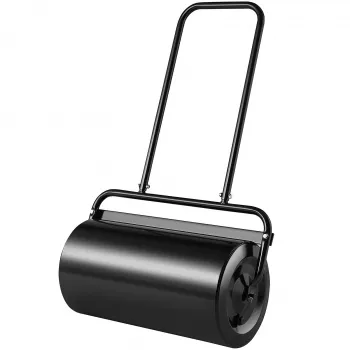
Heavy Duty Lawn Roller: Smoother Turf, Better Seed Contact, Cleaner Finish
A lawn roller is a simple tool with a specific job: gently firm and smooth the surface of your lawn. Used at the right time, it can help press grass seed into the soil, snug new sod against the ground, and flatten small bumps left behind by winter frost heave, foot traffic, or light topdressing. Used at the wrong time (or with too much weight), it can compact soil and stress turf.
Below is a practical, homeowner-friendly guide to when rolling helps, how to roll without damaging grass, and how to handle filling, towing, maintenance, and storage—especially with a heavy duty lawn roller.
What a Lawn Roller Does (and What It Doesn’t)
Think of rolling as “finishing,” not “fixing.” A roller is great for improving surface contact and smoothing minor imperfections, but it won’t correct bigger underlying problems.
- Firms the top layer of soil to improve seed-to-soil contact after overseeding or patching.
- Smooths small surface irregularities like footprints, mower tracks, and mild frost heave.
- Helps press sod edges down for better contact during establishment.
- Does not solve major grading problems, deep ruts, or drainage issues—those require soil work and regrading.
- Over-rolling can compact soil, reducing root growth and water infiltration.
For broader lawn renovation guidance (seeding, maintenance timing, and turf care), credible Extension resources are a solid reference, including University of Minnesota Extension and Penn State Extension.
Best Times to Roll a Lawn
Rolling is most effective when the soil is slightly moist—damp enough to reshape the surface, but not so wet that it smears or ruts. The right timing often matters more than the roller itself.
Rolling timing checklist
| Situation | Good idea to roll? | Condition to meet |
|---|---|---|
| Overseeding thin areas | Yes (light pass) | Soil is moist; seed is raked in or topdressed |
| Frost heave causing small bumps | Sometimes | Ground is not muddy; turf is close to active growth |
| Compacted, hard soil | No | Aerate/loosen soil first; rolling can worsen compaction |
| After heavy rain or irrigation | No | Wait until soil firms up to avoid rutting and compaction |
| New sod installation | Yes (gentle) | Roll once, then water thoroughly |
- Early spring: Roll only to address mild frost heave or settling, and only when the soil is moist—not saturated.
- After seeding: One light pass after raking/topdressing helps seed contact without burying seed too deeply.
- After laying sod: Gentle rolling helps eliminate air gaps and improves sod-to-soil contact.
- After light topdressing: A controlled pass can help settle a thin layer into the canopy; avoid repeated heavy passes.
How Heavy Is Too Heavy? Getting the Right Pressure
The goal is surface contact and minor leveling—not compressing the lawn like a driveway base. A heavy duty roller is useful because you can adjust fill to match conditions, but “max weight” isn’t the default setting.
- Aim for firming and smoothing, not crushing. The best result looks subtle, not smashed.
- Make 1–2 passes in different directions rather than many passes in the same track.
- If the roller leaves deep tracks, sinks, or squeezes water to the surface, it’s too wet or too heavy.
- For seed and sod, partial fill is often plenty; add weight only if the surface isn’t responding.
If you’re dealing with already-compacted soil, prioritize aeration and soil improvement over rolling. Guidance from turf experts (including Michigan State University Extension) often emphasizes building soil structure for healthier roots.
Using a Heavy Duty Lawn Roller: Step-by-Step
Rolling is straightforward, but a few small habits prevent torn turf and unwanted compaction.
Quick operating do’s and don’ts
| Do | Don’t |
|---|---|
| Roll on moist, not muddy, soil | Roll when soil is saturated or puddling |
| Use gradual turns | Pivot sharply on the roller |
| Start with partial fill and increase if needed | Max-fill by default without checking turf response |
| Stop if ruts or deep tracks appear | Keep rolling hoping tracks will “spring back” |
Fill Options, Transport, and Storage Tips
| Fill material | Pros | Cons | Best for |
|---|---|---|---|
| Water | Easy to fill/empty; convenient weight adjustment | Can freeze if left filled; lighter than sand | Most routine smoothing and seed/sod work |
| Sand | Higher weight in similar volume; no freezing expansion | Harder to empty; can trap moisture; messier | Occasional extra-weight needs on firm, dry soil |
- Transport: If you’re loading into a vehicle, drain first to reduce weight and prevent leaks.
- Freeze protection: Empty the drum before freezing temperatures—water expansion can damage the roller.
- Cleanup: Rinse and dry the exterior to reduce corrosion, and store under cover when possible.
- Season check: Inspect tow points, fasteners, and end caps for looseness or wear. For tightening hardware or stubborn fittings, an 18″ Aluminum Pipe Wrench can be a handy shop tool.
Avoiding Compaction and Turf Damage
When a Roller Isn’t Enough: Fixes for Bigger Problems
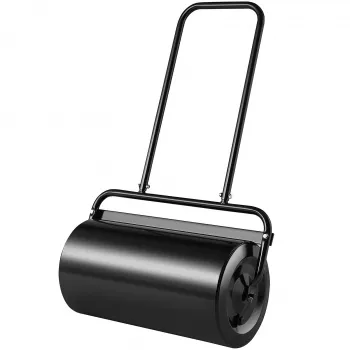
Product Spotlight: Heavy Duty Lawn Roller
| Item | Details |
|---|---|
| Product | Heavy Duty Lawn Roller |
| Price | $77.01 USD |
| Availability | In stock |
FAQ
Should a lawn be rolled in spring?
Yes, but only to correct minor frost heave or unevenness, and only when the soil is moist—not muddy. Over-rolling in spring can compact soil and reduce root growth.
Is it better to fill a lawn roller with water or sand?
Water is easier to fill and drain for most jobs and makes it simple to adjust weight. Sand adds more weight, but it’s harder to remove and can be messier, so it’s best reserved for occasional extra-weight needs on firm, dry soil.
Can rolling help grass seed germinate?
A light pass can improve seed-to-soil contact after raking in seed or applying a thin topdressing. Avoid heavy rolling or rolling on wet ground, which can compact the soil and create ruts that disrupt germination.









Leave a comment